
AI in Medical Imaging
AI in Medical Imaging: How Hisense CAS Is Transforming Diagnostic Radiology and AI in Cancer Treatment
Discover how AI in medical imaging and Hisense CAS are supporting diagnostic radiology, tumour detection, and AI in cancer treatment through smarter imaging workflows.
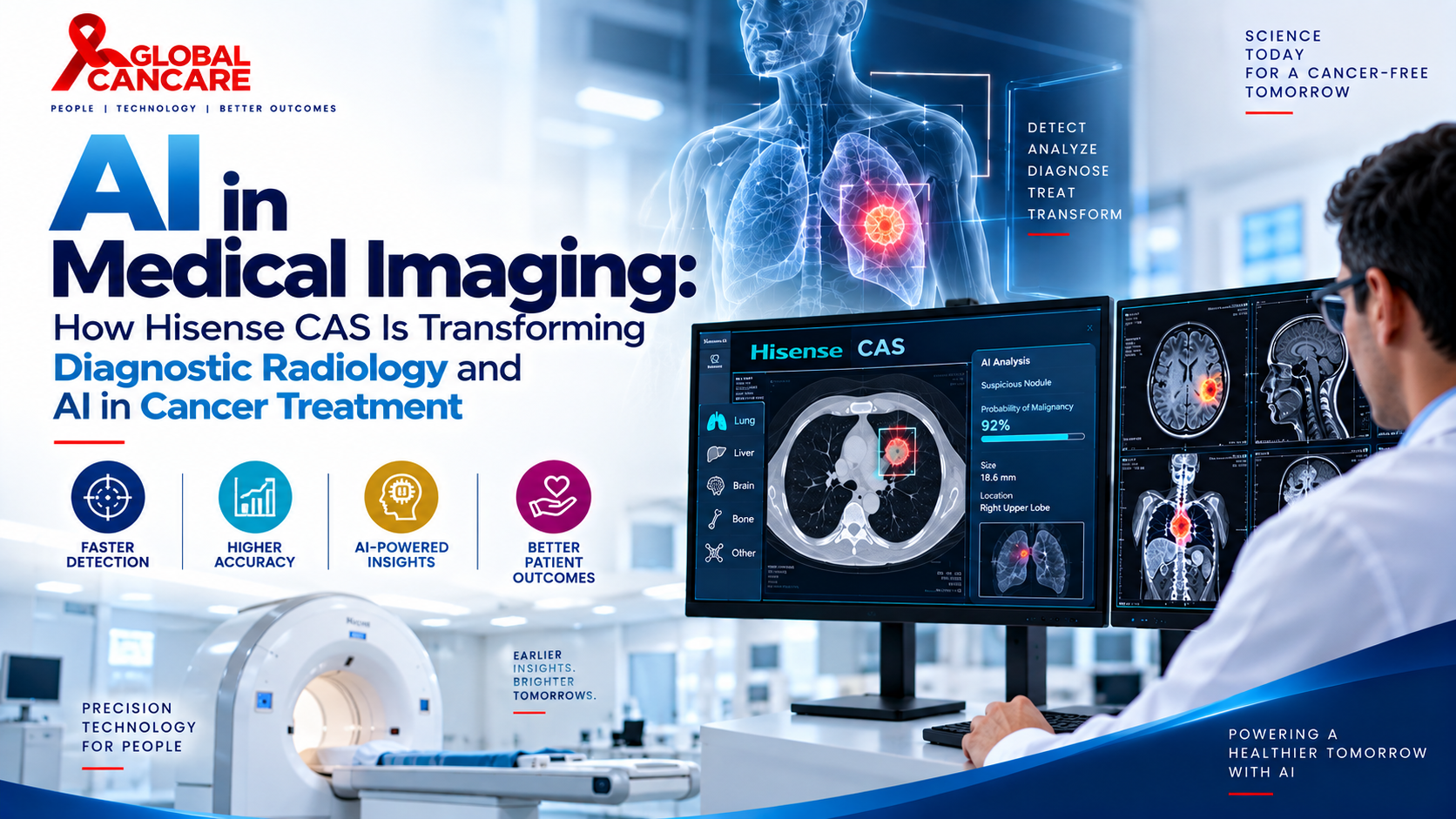
Cancer diagnosis increasingly depends on high-quality medical imaging. CT, MRI, ultrasound, mammography, and other imaging technologies can help doctors identify abnormalities, assess disease, and monitor changes over time.
But modern imaging also creates a challenge: radiology teams must review large volumes of increasingly complex images. This is where AI in medical imaging can make a difference.
Quick Answer: How Is AI Changing Cancer Imaging?
AI in medical imaging is helping healthcare professionals analyse medical scans more efficiently, identify suspicious findings, measure lesions, compare examinations, and support clinical decision-making. In diagnostic radiology, AI cancer imaging software such as Hisense CAS can assist imaging workflows while keeping qualified clinicians responsible for diagnosis and treatment decisions.
Through its Global AI Imaging vertical and its Hisense partnership, Global CanCare Pvt. Ltd. is bringing AI-supported imaging into the broader healthcare technology and infrastructure conversation.
The opportunity is not simply to add artificial intelligence to an imaging machine. The bigger opportunity is to create smarter diagnostic radiology workflows where technology supports clinicians and helps them work with complex imaging information.
AI in Medical Imaging: What Is Changing in Oncology?
The role of AI in medical imaging is expanding as healthcare systems generate more digital images and need efficient ways to analyse them.
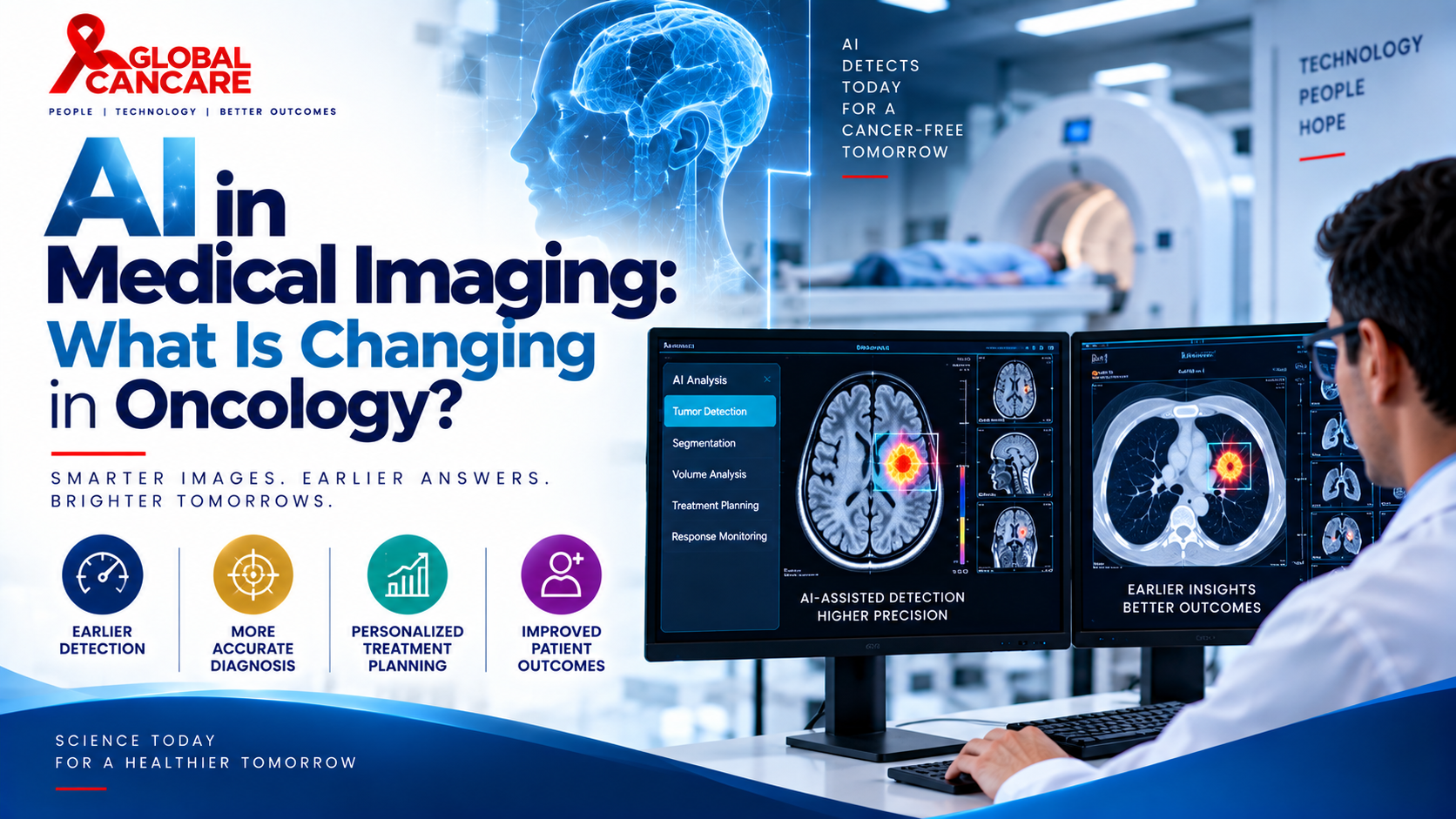
AI systems can be designed to identify patterns in medical images, highlight areas that may need attention, perform measurements, compare current and previous examinations, and support image interpretation.
In oncology, these capabilities can be particularly useful because cancer care often involves repeated imaging. Doctors may need to understand whether a lesion has changed in size, whether new findings have appeared, or how disease responds during treatment.
AI does not replace the radiologist. Instead, it can act as an additional layer of computational support within the imaging workflow.
Diagnostic Radiology and the Rise of AI Cancer Imaging Software
Diagnostic radiology is central to modern cancer care because imaging can provide important information about the location and appearance of disease.
However, reviewing medical images requires time, experience, and careful attention. AI cancer imaging software can help by processing image data and identifying patterns that may deserve closer examination.
Depending on the application, AI may support:
Detection of suspicious areas
Tumour or lesion measurement
Image segmentation
Comparison of scans
Workflow prioritisation
Quantitative image analysis
Clinical decision support
The value of these technologies comes from supporting the healthcare professional rather than replacing professional judgement.
For hospitals, this means AI should be considered as part of a complete diagnostic radiology ecosystem that includes imaging equipment, software, data, trained professionals, workflow design, and clinical governance.
How Hisense CAS Supports Diagnostic Radiology
Hisense CAS brings the discussion from general AI concepts to a more specific imaging application.
AI-powered imaging platforms can help organise and analyse complex medical image information, potentially supporting radiologists in reviewing cases and identifying areas that require closer attention.
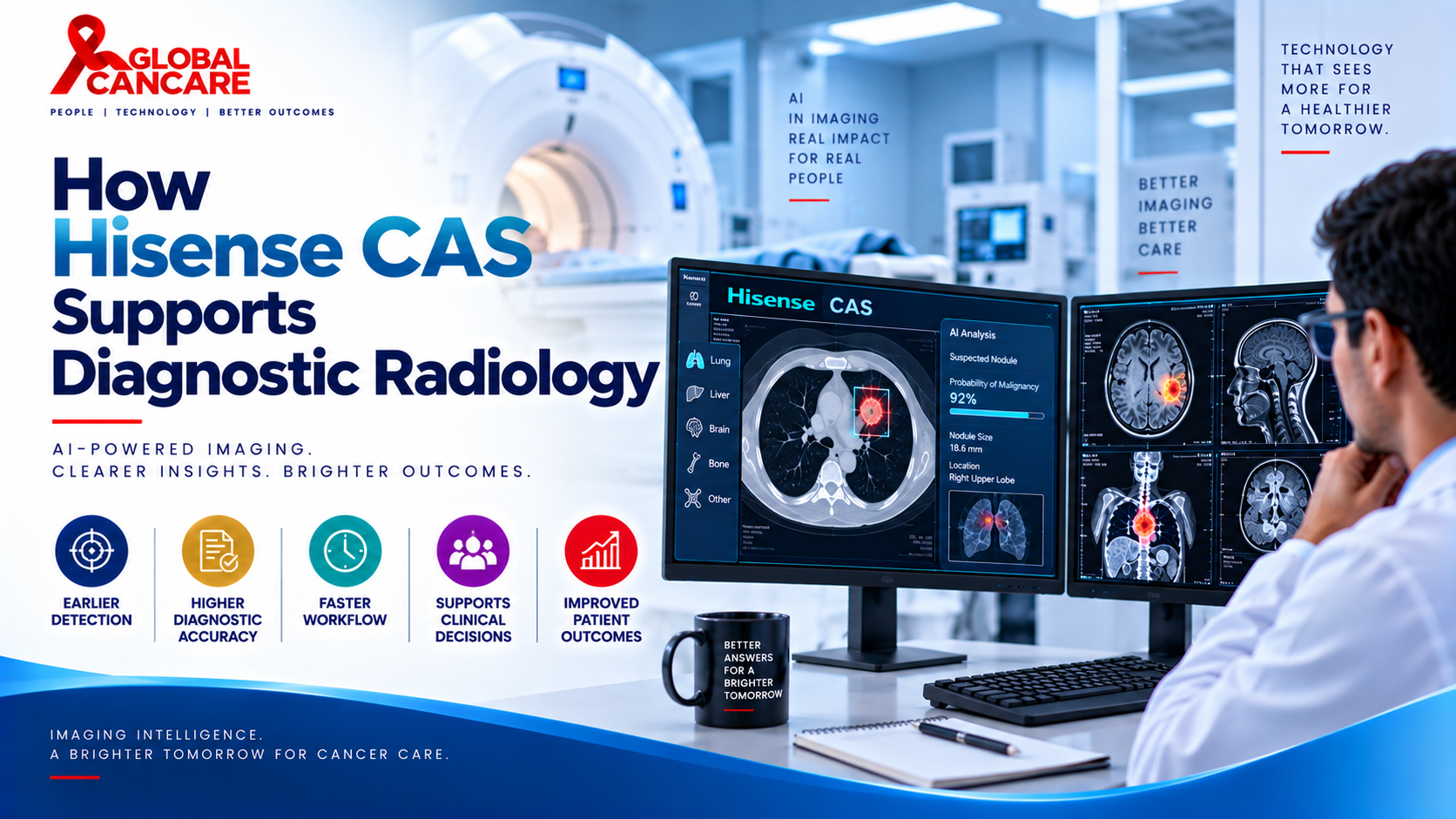
For oncology, this is particularly relevant when clinicians need to evaluate changes across multiple examinations. Imagine a patient undergoing imaging at different stages of care. Instead of looking at each scan as an isolated event, AI-supported tools can assist with analysing and comparing image information within the appropriate clinical workflow.
This is where Hisense CAS becomes relevant to the future of diagnostic radiology: not as a replacement for the radiologist, but as technology designed to support the growing volume and complexity of medical imaging.
AI in Cancer Treatment: Where Does Imaging Fit?
The role of AI in cancer treatment begins well before treatment is delivered.
Imaging can help clinicians understand disease location, tumour characteristics, extent, and changes over time. This information can contribute to decisions about further investigation, treatment planning, and follow-up.
AI can support this process by helping analyse imaging information more efficiently.
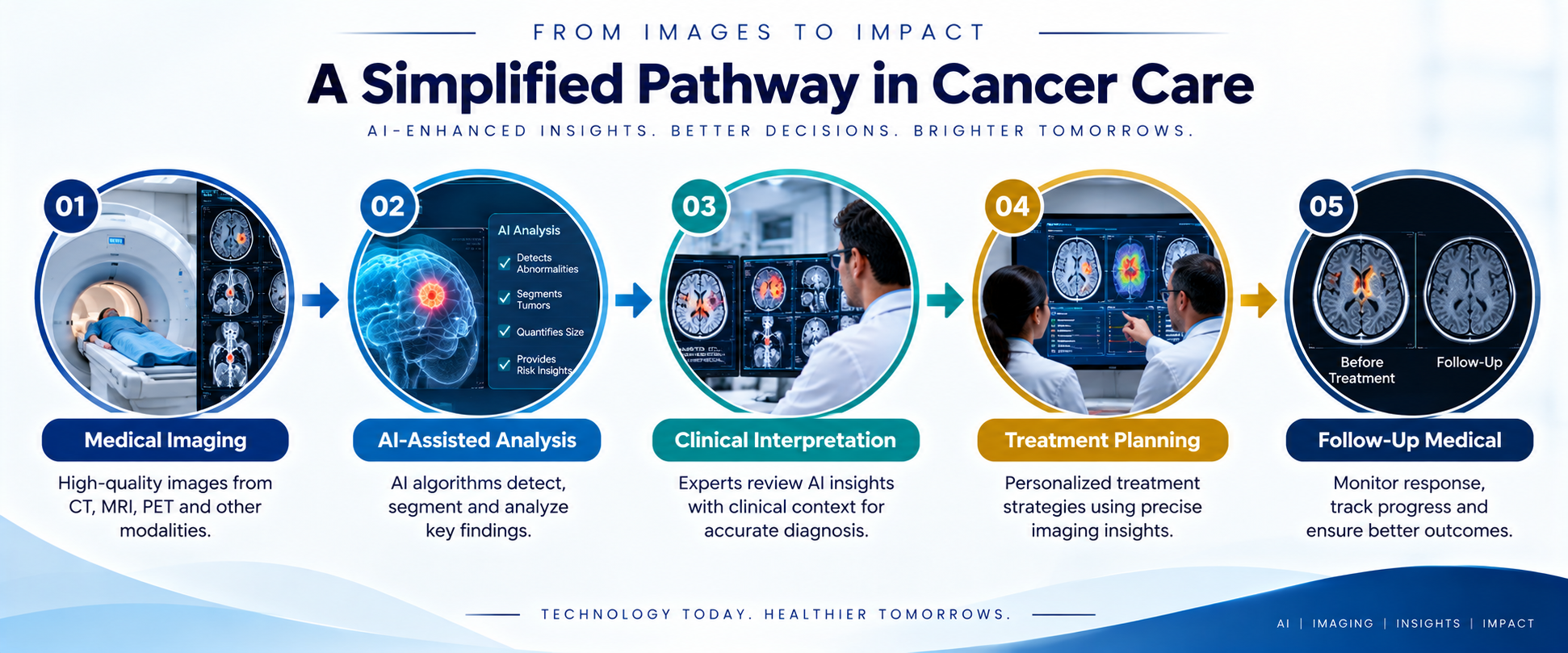
A simplified pathway is: Medical Imaging → AI-Assisted Analysis → Clinical Interpretation → Treatment Planning → Follow-Up
Global CanCare, Hisense CAS and the Future of AI in Medical Imaging
For Global CanCare Pvt. Ltd., AI imaging is part of a larger healthcare technology opportunity.
Through its Global AI Imaging vertical and Hisense partnership, Global CanCare is focused on bringing intelligent imaging solutions into healthcare environments where technology and clinical workflows need to work together.
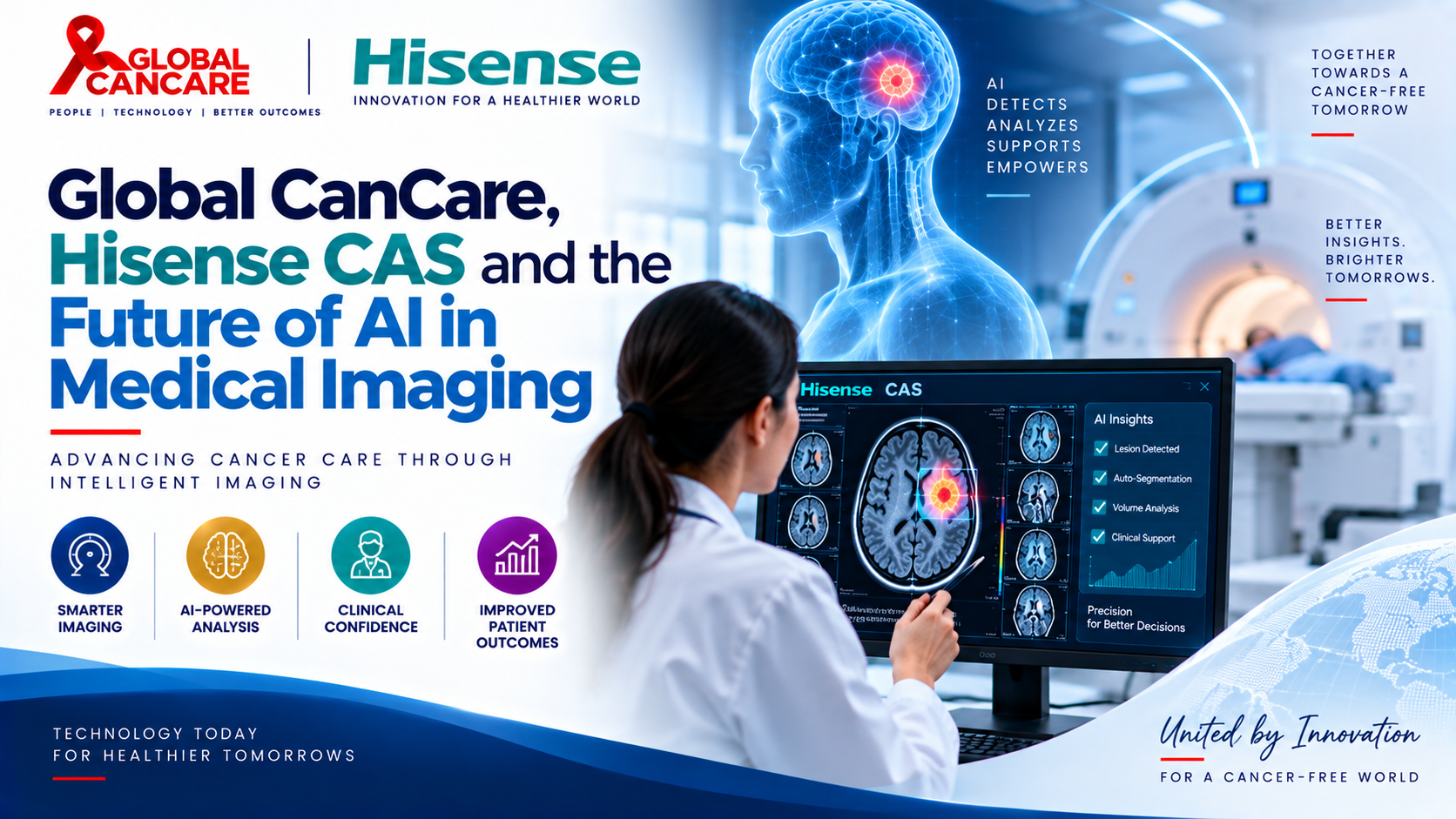
This is an important distinction. Successful AI adoption requires more than software. Hospitals need appropriate imaging infrastructure, compatible workflows, trained users, data management, implementation planning, and ongoing support.
Global CanCare's role is therefore positioned around connecting AI cancer imaging software with the wider healthcare infrastructure required for practical implementation.
Our view is clear: the future of diagnostic radiology will not be about AI versus radiologists. It will be about how effectively AI and radiology professionals work together.
Frequently Asked Questions About Diagnostic Radiology and AI in Cancer Treatment
1. How does AI help diagnostic radiology?
AI can support diagnostic radiology by analysing medical images, identifying potentially suspicious findings, measuring lesions, comparing scans, and helping prioritise cases. Final interpretation remains with qualified healthcare professionals.
2. What is AI cancer imaging software?
AI cancer imaging software uses artificial intelligence to analyse medical images and support tasks such as detection, measurement, segmentation, comparison, and workflow assistance in appropriate clinical applications.
3. What is Hisense CAS in medical imaging?
Hisense CAS is an AI-supported imaging solution associated with intelligent medical image analysis. Its specific capabilities and clinical use depend on the applicable product, regulatory status, and healthcare environment.
4. How is AI used in cancer treatment?
AI in cancer treatment can support imaging analysis, treatment planning, patient monitoring, research, and other healthcare workflows. AI does not independently determine the complete treatment plan.
5. Can cancer be cured with AI?
AI itself is not a cure for cancer. It can support diagnosis, imaging analysis, research, and treatment workflows, but cancer outcomes depend on the specific disease and individual clinical circumstances.
6. Is cancer curable?
Whether cancer is curable depends on the cancer type, stage, biology, treatment options, and individual patient factors. Some cancers can be cured, while others may be managed over the long term.
7. Can AI detect tumours?
Certain AI imaging systems can assist in detecting or highlighting abnormalities and tumours in medical images, depending on their intended clinical application. A qualified clinician must interpret the findings in context.
8. How does Global CanCare support AI imaging?
Global CanCare's Global AI Imaging vertical, including its Hisense partnership, focuses on intelligent imaging solutions as part of a broader healthcare technology and infrastructure approach.
Authoritative Sources
Conclusion
AI in medical imaging is creating new possibilities for modern oncology. By helping analyse images, identify suspicious findings, measure lesions, and compare examinations, AI can support the work of diagnostic radiology teams.
Hisense CAS provides a specific example of how AI-supported imaging technology can become part of this evolving environment. Through its Global AI Imaging vertical and Hisense partnership, Global CanCare Pvt. Ltd. is helping connect intelligent imaging technology with the broader infrastructure needs of healthcare organisations.
The important message is simple: AI is not a replacement for doctors, and it is not a cure for cancer. It is a technology that can help healthcare professionals make better use of medical imaging and information.
As oncology continues to become more data-driven, the combination of diagnostic radiology, AI cancer imaging software, clinical expertise, and modern healthcare infrastructure will become increasingly important.
Planning a Cancer Care project?
Our specialists can scope equipment, shielding, licensing and staffing for your facility.
Talk to our team