
Cell & Gene Therapy in Oncology: Where Are We Today?
Explore the progress of Cell & Gene Therapy in Oncology, including CAR-T, TCR therapies, stem cell therapies, manufacturing challenges, and India's growing CGT landscape.
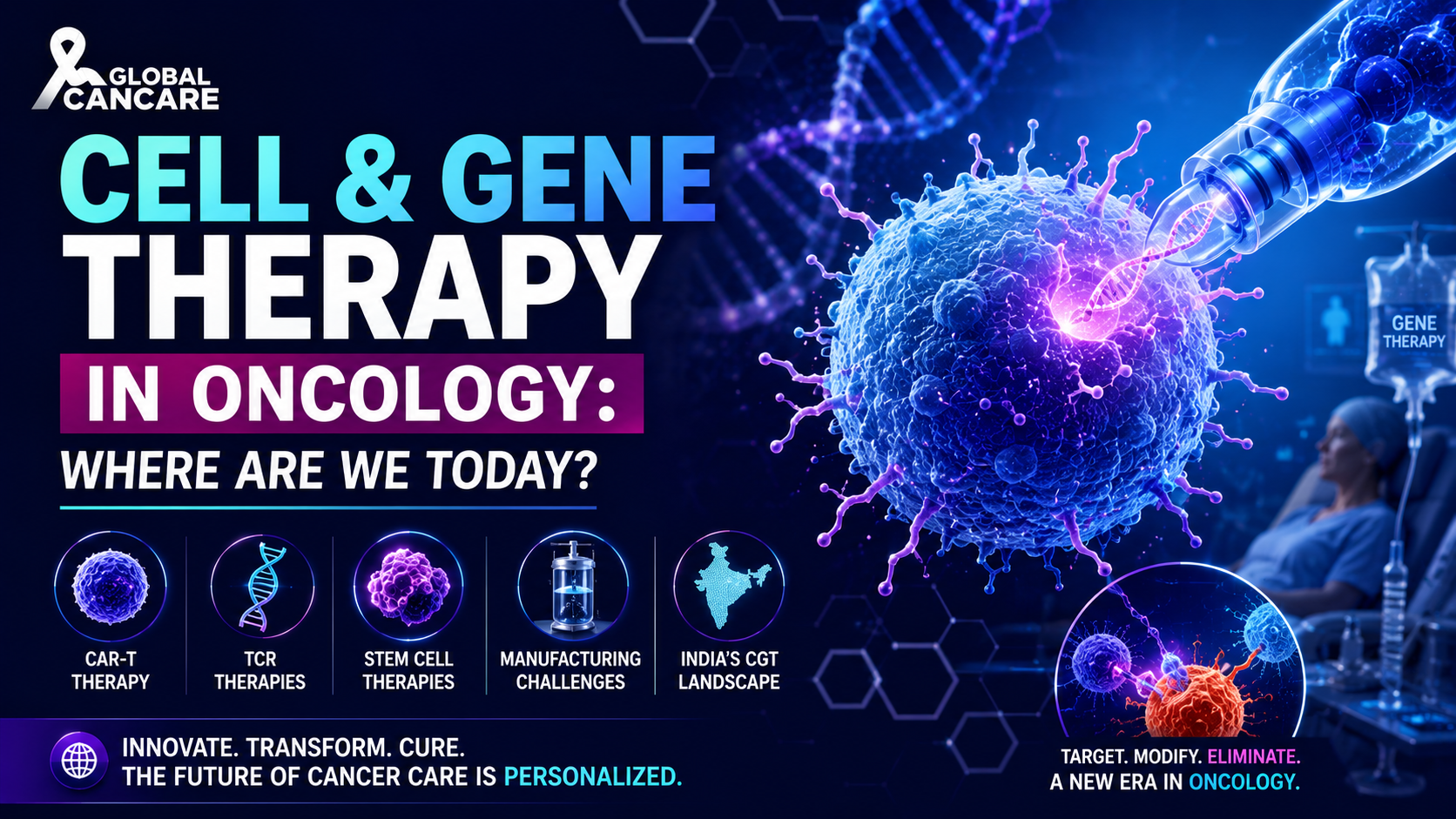
Cancer treatment is moving into a new age. Alongside surgery, chemotherapy, immunotherapy, and radiotherapy, Cell & Gene Therapy in Oncology is creating new possibilities for patients with difficult-to-treat cancers. These therapies work with the body's cells or genetic material to attack disease in highly targeted ways.
The field is developing quickly, but it also brings major challenges. Advanced manufacturing, quality control, specialist skills, regulatory requirements, and high costs all need to be addressed before these therapies can reach more patients.
India is becoming an important part of this global story. With growing research capabilities, biotechnology companies, hospitals, and clinical programmes, the country's Cell & Gene Therapy landscape is gaining momentum. This development also creates an opportunity for healthcare infrastructure partners such as Global CanCare Pvt. Ltd. to support the facilities and systems needed for the next generation of oncology.
What Is Cell & Gene Therapy in Oncology?
Cell & Gene Therapy in Oncology refers to treatments that use living cells, genetic material, or both to fight cancer.
Unlike many traditional medicines, these therapies can be highly personalised. In some approaches, a patient's own cells are collected, modified or prepared in a specialised facility, and then returned to the patient.
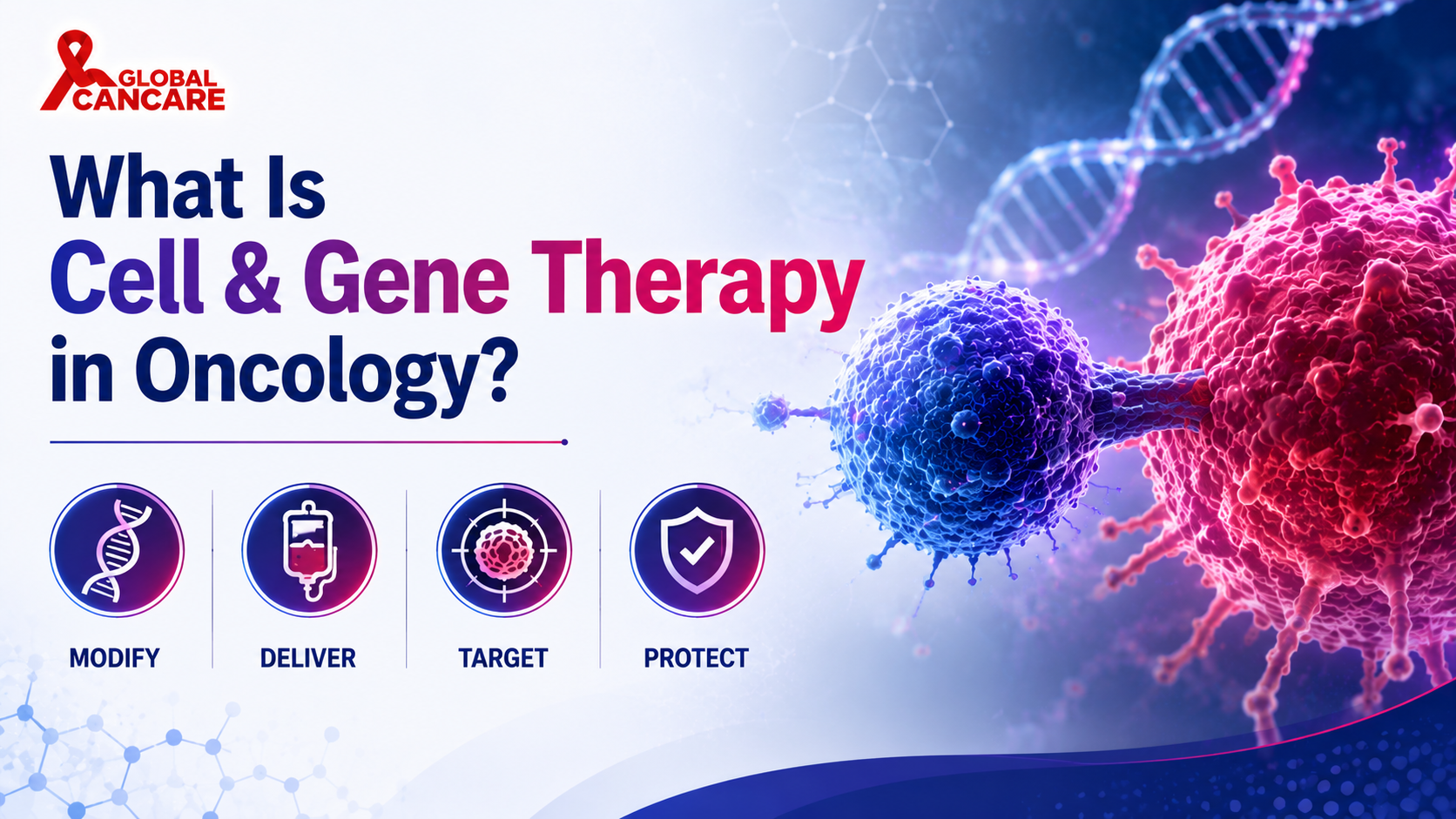
The main areas of interest include:
CAR-T cell therapy
T-cell receptor (TCR) therapies
Stem cell-based approaches
Gene-modified immune-cell therapies
Emerging cell-based cancer treatments
The objective is to make the immune system better at recognising and attacking cancer.
CAR-T Therapy: Turning Immune Cells Into Cancer Fighters
CAR-T therapy is one of the most advanced examples of Cell & Gene Therapy in Oncology. CAR-T stands for chimeric antigen receptor T-cell therapy.
In a typical CAR-T process, T cells are collected from the patient. These immune cells are genetically modified so they can recognise a particular target on cancer cells. After being expanded in a controlled manufacturing environment, the cells are given back to the patient.
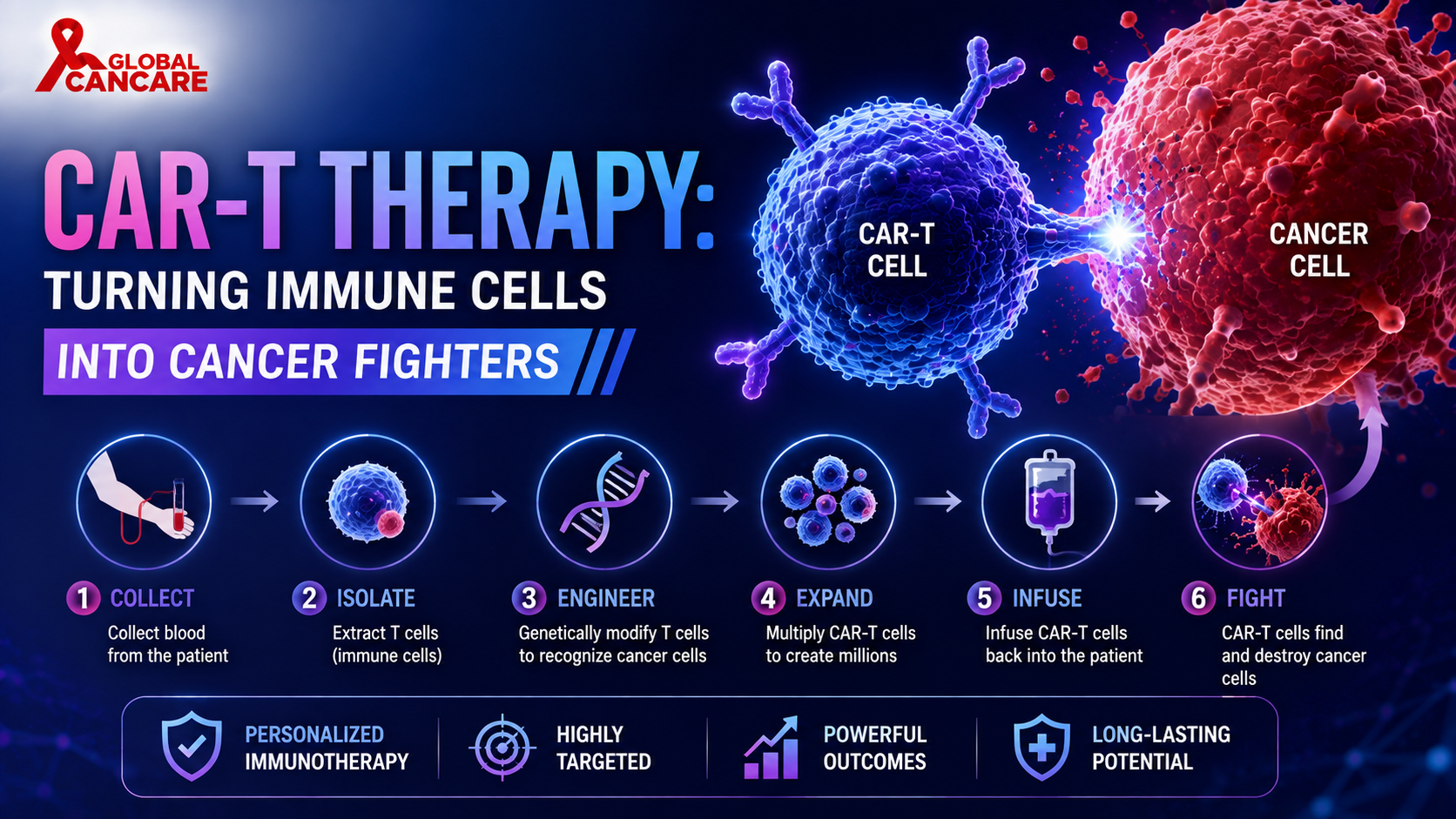
CAR-T therapies have produced important results in certain blood cancers, particularly some forms of leukaemia, lymphoma, and multiple myeloma.
However, CAR-T is not a simple treatment. It requires a carefully controlled chain involving cell collection, transportation, manufacturing, testing, clinical preparation, and patient monitoring.
TCR Therapies: A Different Way to Target Cancer
T-cell receptor, or TCR, therapies are another promising area of Cell & Gene Therapy in Oncology.
While CAR-T therapies generally recognise targets on the surface of cells, TCR-based therapies can recognise specific peptide fragments presented by molecules called human leukocyte antigens (HLA). This gives researchers another pathway for targeting cancer.
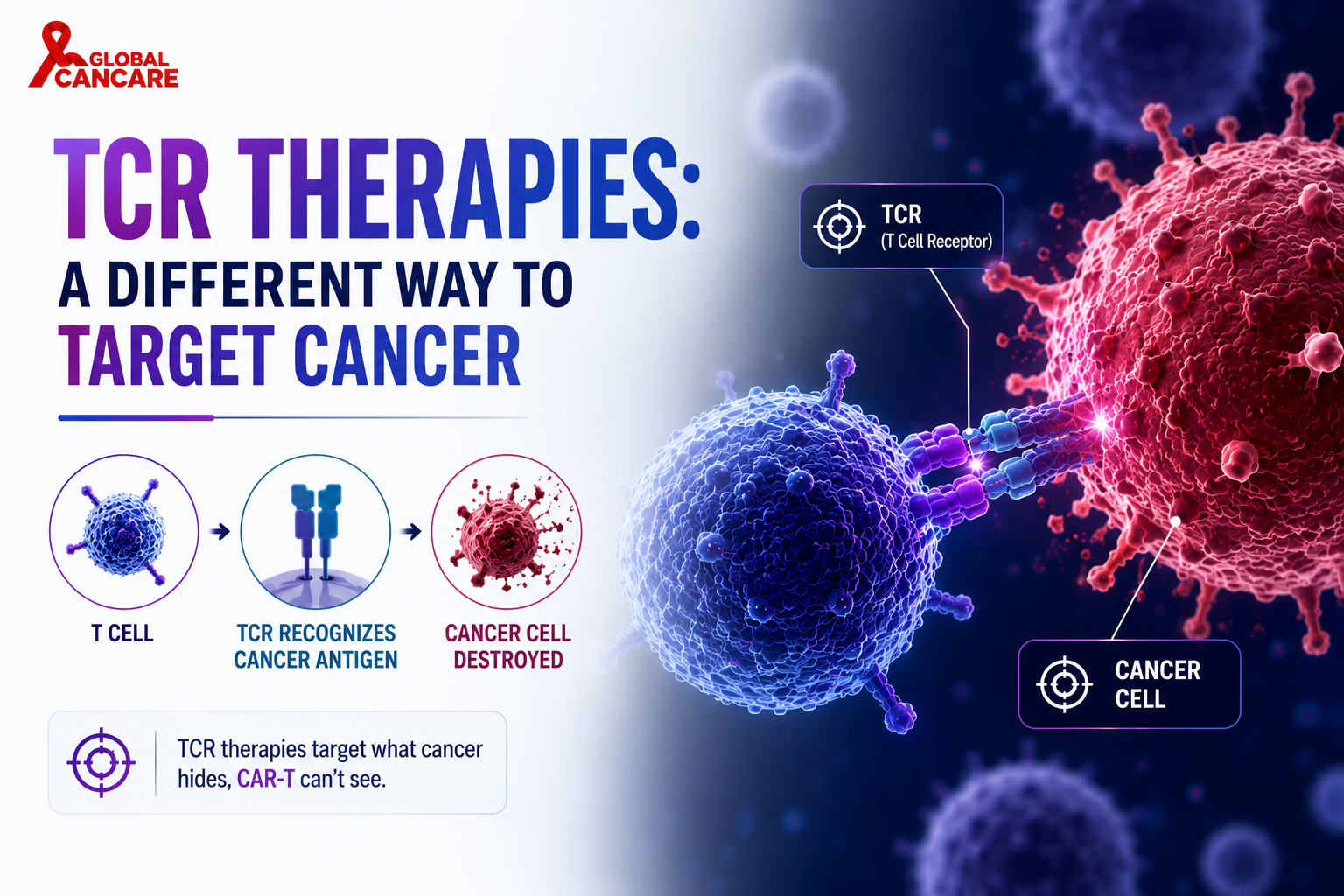
TCR therapies are being studied in solid tumours and other cancers where conventional CAR-T approaches may face limitations.
Research is continuing to identify suitable tumour targets and improve the safety, durability, and effectiveness of these treatments.
Stem Cell Therapies and Cancer Care
Stem cell transplantation has already played an important role in treating several blood cancers. Haematopoietic stem cell transplantation can help restore the blood-forming system after intensive treatment.
Today, stem cell science is also contributing to broader cancer research. Scientists are studying how stem cells and related technologies can support tissue regeneration, immune-cell development, disease modelling, and new treatment strategies.
It is important, however, to distinguish established stem cell treatments from experimental therapies. Not every treatment promoted as a "stem cell therapy" has been proven effective or approved for routine cancer care.
Manufacturing: One of the Biggest CGT Challenges
One of the biggest barriers to expanding Cell & Gene Therapy in Oncology is manufacturing.
Unlike conventional medicines, many cell therapies are living products. Their quality can be affected by collection, processing, culture conditions, storage, transportation, and handling.
Manufacturing Challenge | Why It Matters |
|---|---|
Complex production | Cell therapies require specialised processes and facilities |
Quality control | Every batch must meet strict quality requirements |
Cold-chain logistics | Some products require tightly controlled transportation |
Skilled workforce | Manufacturing needs trained scientists and technicians |
High cost | Personalised production can be expensive |
Scalability | Increasing production without compromising quality is difficult |
Regulatory compliance | Facilities must meet applicable national requirements |
Building suitable GMP and cGMP infrastructure is therefore essential for the future of CGT.
India's Growing Cell & Gene Therapy Landscape
India has developed a rapidly growing ecosystem for biotechnology and advanced therapies. Research institutions, hospitals, startups, pharmaceutical companies, and academic centres are increasingly working on cell and gene-based treatments.
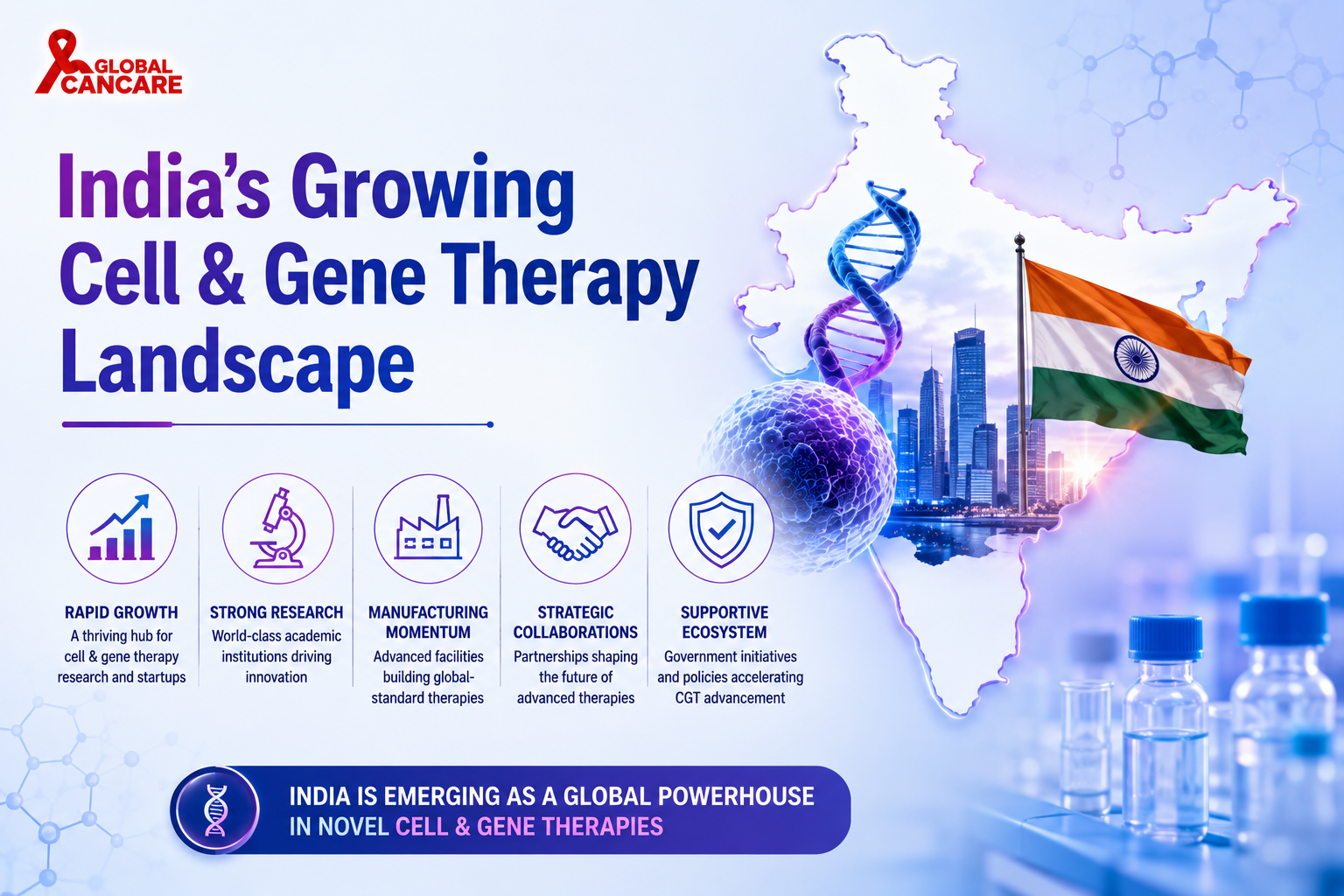
A major milestone was the development and approval of NexCAR19, an indigenous CAR-T therapy developed in India. The therapy received regulatory approval in 2023 for certain B-cell cancers, demonstrating India's ability to develop sophisticated cell therapy within the country.
This progress is significant because India faces a major challenge: making advanced treatments more accessible and affordable to a large population.
Government initiatives, biotechnology research, academic partnerships, and growing private-sector investment are helping strengthen India's CGT capabilities. At the same time, challenges involving manufacturing capacity, specialised talent, clinical infrastructure, affordability, and regulatory pathways remain.
Building the Global CGT Network
The growth of Cell & Gene Therapy in Oncology requires an ecosystem rather than a single laboratory. Successful programmes need research facilities, clean manufacturing environments, quality-control laboratories, clinical centres, cold-chain systems, trained professionals, and regulatory support.
This is where Global CanCare Pvt. Ltd. can contribute to the developing CGT ecosystem. Through its focus on cGMP laboratories, clinical research, cell and gene therapy, medical technology, healthcare infrastructure, and project management, Global CanCare supports institutions looking to develop advanced healthcare facilities.
Its broader capabilities can connect infrastructure planning with other areas of modern medicine, including oncology, radiotherapy, nuclear medicine, medical imaging, and clinical research.
This integrated perspective is particularly valuable as hospitals and research organisations move toward multidisciplinary cancer-care models.
Where Does Cell & Gene Therapy Go From Here?
The next phase of Cell & Gene Therapy in Oncology will focus on making treatments safer, more scalable, and more accessible.
Researchers are working to:
Improve CAR-T effectiveness against solid tumours.
Develop new TCR targets.
Reduce manufacturing time and costs.
Create more standardised "off-the-shelf" cell therapies.
Improve treatment safety.
Expand clinical trials.
Build stronger manufacturing networks.
The long-term goal is clear: transform highly complex biological discoveries into reliable treatments that can reach more patients.
Frequently Asked Questions
1. What is Cell & Gene Therapy in Oncology?
Cell & Gene Therapy in Oncology uses living cells, genetic modification, or genetic material to help the body's immune system identify and fight cancer.
2. What is CAR-T therapy?
CAR-T therapy modifies a patient's T cells so they can recognise and attack specific cancer cells. It is currently used for certain blood cancers.
3. What are TCR therapies?
TCR therapies modify or select T cells to recognise specific cancer-related peptide targets presented by HLA molecules. They are being investigated for several cancers, including solid tumours.
4. Are stem cell therapies established cancer treatments?
Some stem cell transplantation procedures are established treatments, particularly for certain blood cancers. Other stem cell applications remain experimental and should only be pursued within appropriate clinical and regulatory frameworks.
5. Why is manufacturing difficult for cell and gene therapies?
Cell and gene therapies often require complex, highly controlled processes, specialised staff, strict quality testing, and temperature-controlled logistics. These requirements can make manufacturing costly and difficult to scale.
6. What is India's role in Cell & Gene Therapy?
India is developing a growing CGT ecosystem involving research institutions, hospitals, biotechnology companies, and manufacturers. The approval of indigenous CAR-T therapy NexCAR19 marked an important milestone in India's oncology innovation.
7. How does Global CanCare support the CGT ecosystem?
Global CanCare Pvt. Ltd. supports healthcare infrastructure development through capabilities in cGMP laboratories, clinical research, cell and gene therapy, project management, medical technology, and turnkey healthcare solutions.
Recommended External Sources
For credibility and stronger EEAT signals, link relevant statements in the article to authoritative sources:
National Cancer Institute – CAR T-Cell Therapy: https://www.cancer.gov/about-cancer/treatment/research/car-t-cells
U.S. FDA – Cellular & Gene Therapy Products: https://www.fda.gov/vaccines-blood-biologics/cellular-gene-therapy-products
India Department of Biotechnology – National Biopharma Mission: https://dbtindia.gov.in
Indian Council of Medical Research (ICMR): https://www.icmr.gov.in
International Society for Cell & Gene Therapy (ISCT): https://www.isctglobal.org
Global CanCare is helping build the infrastructure and partnerships needed to move advanced cell and gene therapies from scientific innovation toward sustainable cancer-care ecosystems.
Planning a Cancer Care project?
Our specialists can scope equipment, shielding, licensing and staffing for your facility.
Talk to our team