
CGMP LABS
CGMP LABS: Building the Future of High-Quality Healthcare Manufacturing
Discover how expert laboratory design and turnkey laboratory solutions can help build safe, efficient, and compliant CGMP LABS for modern healthcare and pharmaceutical needs.
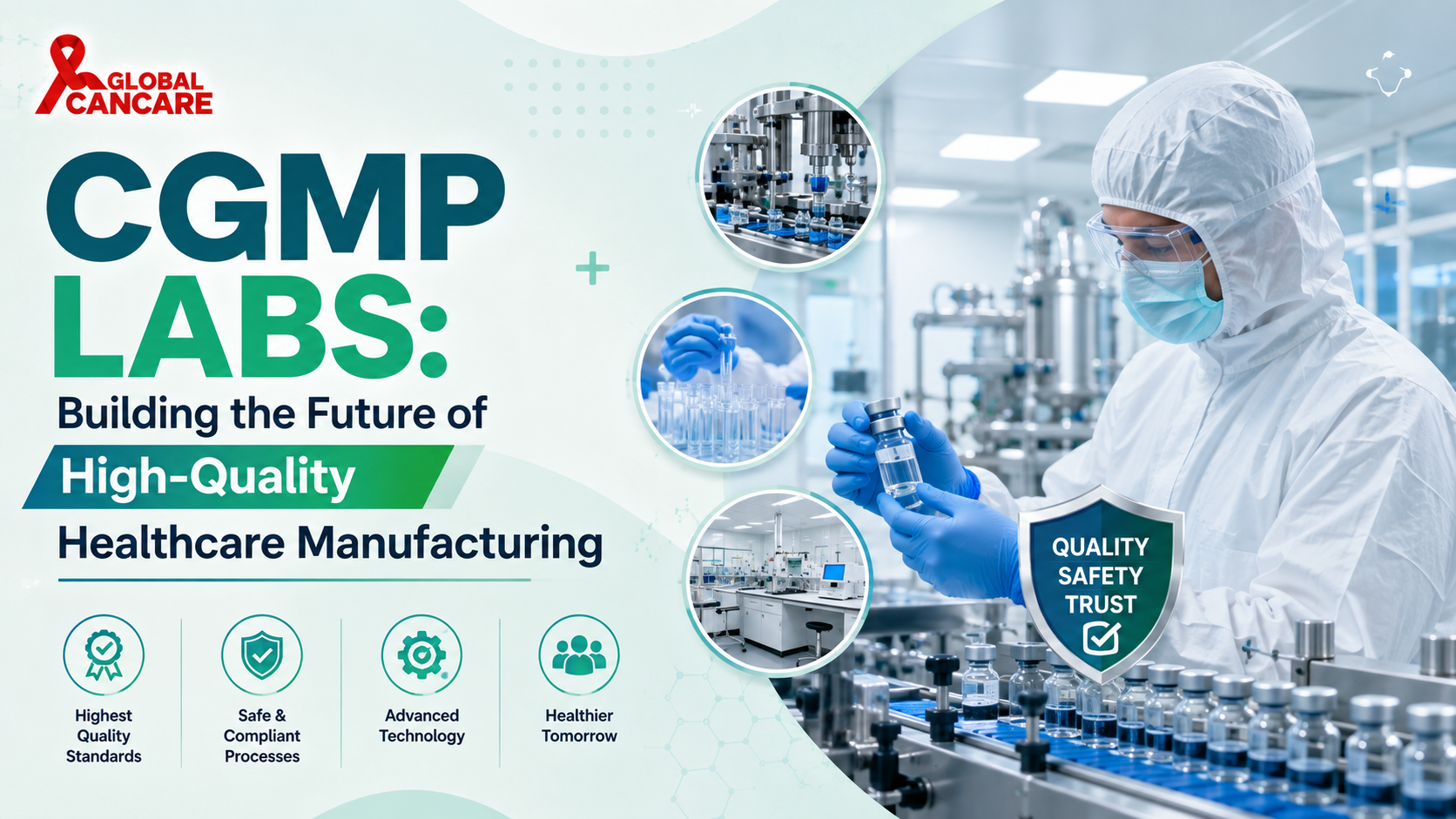
Modern healthcare depends on more than hospitals and medical equipment. Behind many medicines, diagnostic products, radiopharmaceuticals, and advanced therapies are highly controlled laboratories where quality, safety, and consistency are essential.
This is where CGMP LABS play an important role. Designed around strict quality and manufacturing principles, these facilities provide controlled environments for producing healthcare and pharmaceutical products. However, developing such a facility requires much more than constructing rooms and installing equipment. It requires careful laboratory design, engineering, process planning, regulatory consideration, and an understanding of how people, materials, equipment, and products move through the facility.
Global CanCare Pvt. Ltd. is developing its laboratory and healthcare infrastructure capabilities to support organisations that require modern, reliable, and purpose-built facilities. Its approach brings together planning, engineering, project management, infrastructure development, and healthcare technology to help create laboratories that are designed for present needs while allowing room for future growth.
What Are CGMP LABS?
CGMP LABS are laboratories designed and operated according to current Good Manufacturing Practice principles. These principles help ensure that products are consistently produced and controlled according to appropriate quality standards.
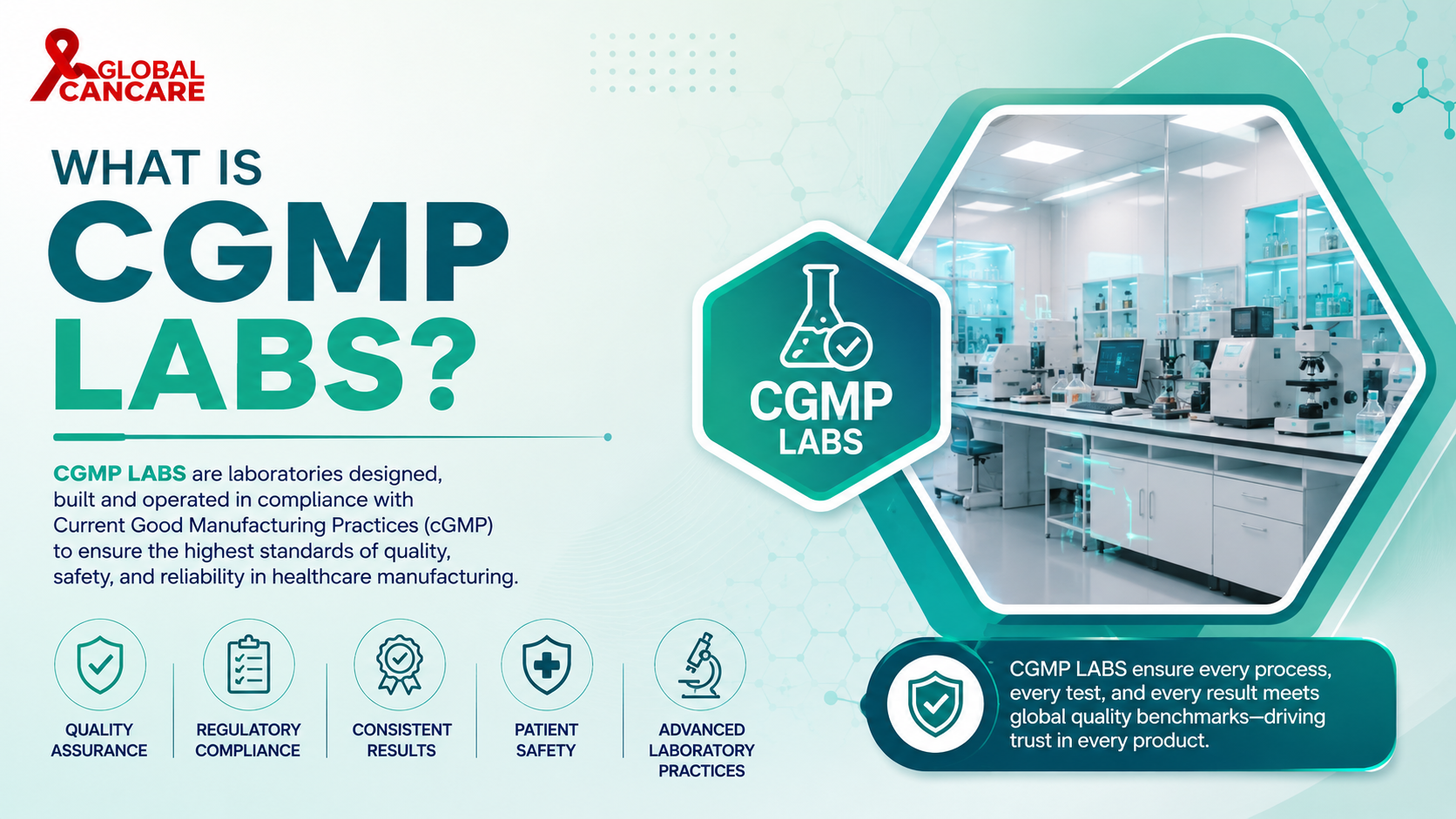
The design of a CGMP facility must consider several factors, including:
Clean and controlled environments
Personnel movement
Material flow
Equipment placement
Environmental monitoring
Quality control
Waste management
Documentation
Safety and regulatory requirements
The exact requirements depend on the type of product being manufactured and the applicable regulations.
For this reason, effective laboratory design starts with understanding the manufacturing process rather than simply deciding how many rooms a facility needs.
Why Laboratory Design Matters
A well-planned laboratory can make daily operations safer, smoother, and more efficient. Poor planning, on the other hand, can create unnecessary movement, contamination risks, maintenance difficulties, and costly modifications later.
Professional laboratory design considers the complete journey of people, raw materials, equipment, samples, and finished products.
Design Area | Why It Matters |
|---|---|
Facility Layout | Creates logical movement between different areas |
Material Flow | Helps reduce unnecessary handling and contamination risks |
Personnel Flow | Separates activities and supports controlled operations |
HVAC & Environmental Control | Helps maintain required environmental conditions |
Utilities | Provides reliable water, power, gases, ventilation, and other services |
Equipment Placement | Allows safe operation, cleaning, maintenance, and future upgrades |
Quality Areas | Supports testing, monitoring, and documentation |
Safety | Protects staff, products, and the surrounding environment |
A strong design therefore combines architecture, engineering, manufacturing requirements, and quality considerations from the beginning.
From Concept to Completion: The Turnkey Laboratory Approach
Building a specialised laboratory can involve many different suppliers and contractors. Coordinating them separately can make a project complicated and time-consuming.
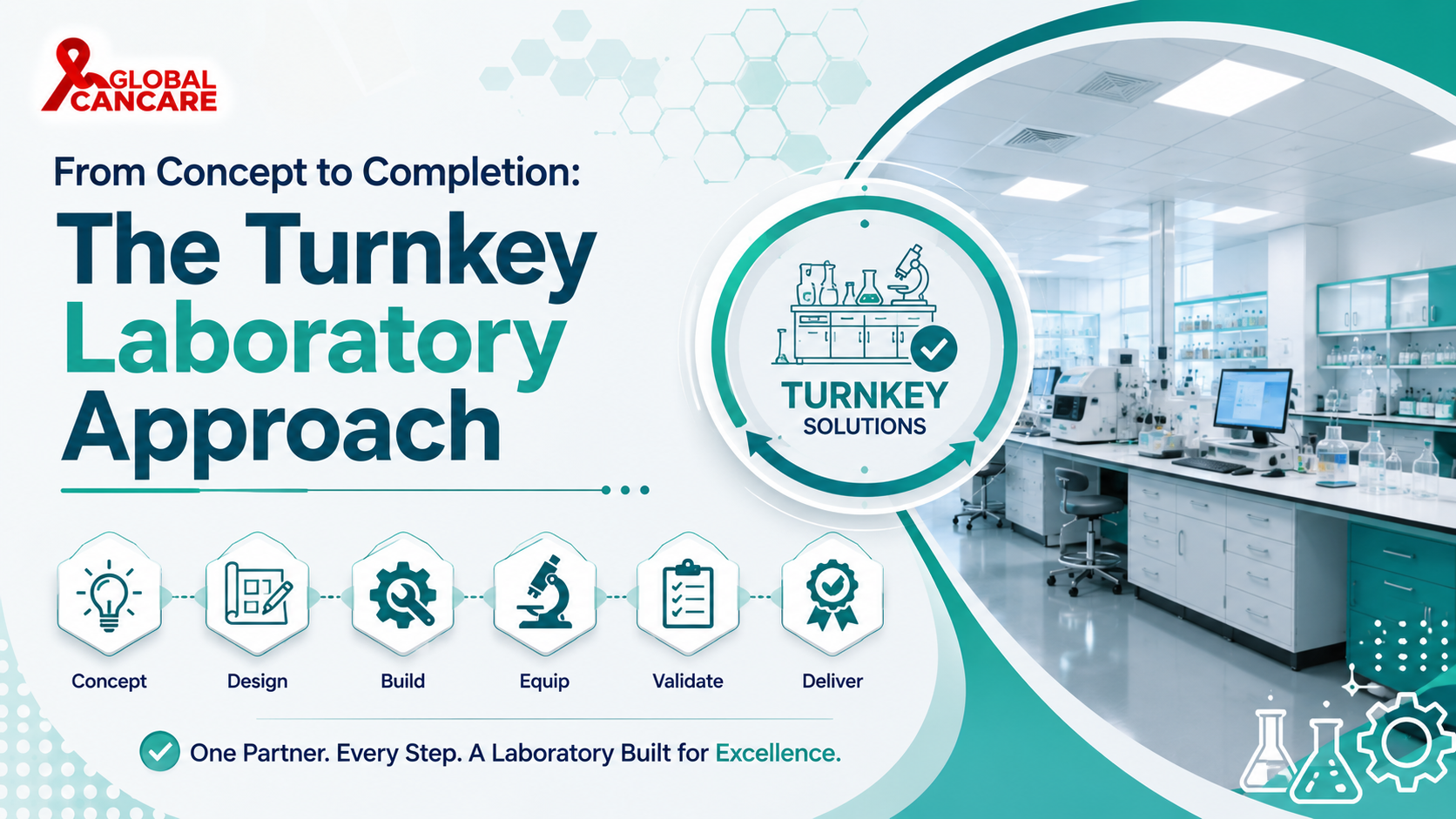
A turnkey laboratory approach provides a more integrated alternative. Under this model, the project can be coordinated across planning, design, construction, engineering, equipment integration, installation, and commissioning.
For healthcare organisations, the advantages can include:
One coordinated project structure
Better communication between technical teams
Integrated infrastructure planning
Reduced coordination challenges
Improved project visibility
Easier expansion planning
Support through installation and commissioning
The exact scope of a turnkey laboratory depends on the project, product, regulatory requirements, and client objectives.
CGMP LABS for an Evolving Healthcare Industry
The demand for specialised laboratory infrastructure is growing alongside advances in healthcare. Pharmaceutical manufacturing, radiopharmaceuticals, clinical research, biotechnology, and cell and gene therapy all require increasingly sophisticated environments.
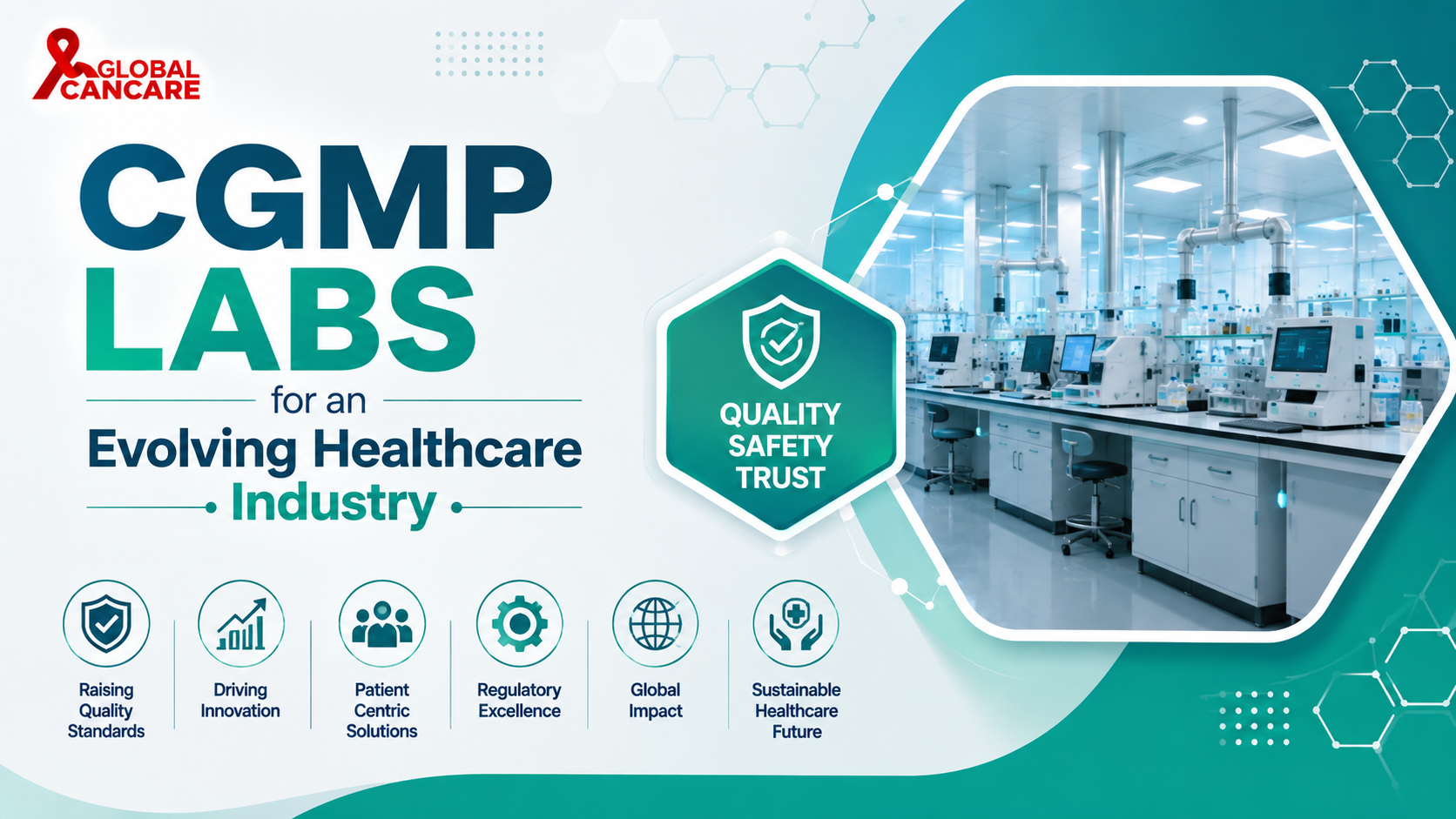
For example, radiopharmaceutical production may require specialised facilities because radioactive materials have unique handling, shielding, workflow, and safety requirements. Similarly, cell and gene therapy manufacturing requires highly controlled environments and carefully designed processes.
This means that modern CGMP LABS need to be flexible enough to support changing technologies while maintaining appropriate quality and safety controls.
Global CanCare: Developing Integrated Laboratory Solutions
Global CanCare Pvt. Ltd. approaches healthcare infrastructure as an interconnected ecosystem. Its capabilities extend across CGMP LABS, clinical research, cell and gene therapy, nuclear medicine, radiotherapy, medical imaging, medical physics, and other specialised healthcare areas.

Within its laboratory vertical, the focus is on helping healthcare and life-science organisations develop facilities based on their specific operational requirements.
Global CanCare can support areas such as:
Capability | Potential Application |
|---|---|
Laboratory Design | Planning specialised healthcare and life-science facilities |
Turnkey Laboratory | Coordinated project execution from planning through commissioning |
CGMP LABS | Controlled environments for quality-focused manufacturing |
Project Management | Coordination of multiple technical disciplines |
Engineering Integration | Connecting building services and specialist requirements |
Installation | Supporting equipment and facility readiness |
Healthcare Infrastructure | Developing purpose-built clinical and research environments |
Regulatory Support | Planning facilities around applicable safety and compliance requirements |
This integrated model is particularly useful for organisations that want to develop specialised facilities without managing every technical discipline separately.
Designing for Quality, Safety, and Future Growth
A laboratory should not only work on the day it opens. It should continue to support its users as processes change and demand increases.
Good laboratory design therefore considers future requirements from the beginning. Space for additional equipment, maintainability, utility capacity, workflow changes, and technology upgrades can all influence the initial design.
For CGMP LABS, this long-term view is especially important because changes to controlled environments and manufacturing processes can be complex and expensive after construction is complete.
A thoughtfully planned turnkey laboratory can provide a stronger foundation for operational continuity, quality management, and future expansion.
The Role of Integrated Healthcare Infrastructure
The healthcare industry is moving toward more connected ecosystems. Laboratories, hospitals, imaging centres, research facilities, radiotherapy departments, and pharmaceutical manufacturing units increasingly work together.
Global CanCare's broader healthcare infrastructure approach reflects this shift. By working across laboratory development, nuclear medicine, oncology, medical imaging, clinical research, and advanced therapy infrastructure, the company can support projects where several healthcare disciplines need to operate together.
This is particularly relevant for organisations developing future-ready healthcare campuses, research centres, cancer-care facilities, and advanced manufacturing environments.
Conclusion
The success of a modern laboratory begins long before the first piece of equipment is installed. It starts with understanding the process, planning the workflow, designing the infrastructure, and creating an environment where quality and safety can be maintained consistently.
For organisations developing CGMP LABS, professional laboratory design and coordinated project execution can make a significant difference to long-term performance.
Through its focus on CGMP LABS, turnkey laboratory development, healthcare infrastructure, clinical research, cell and gene therapy, nuclear medicine, radiotherapy, and medical technology, Global CanCare Pvt. Ltd. is building capabilities that extend beyond individual equipment or facilities.
Global CanCare is building an ecosystem rather than simply supplying equipment—connecting laboratory infrastructure, medical technology, research, and healthcare delivery to support the next generation of healthcare.
Planning a Cancer Care project?
Our specialists can scope equipment, shielding, licensing and staffing for your facility.
Talk to our team