
Affordable Radiotherapy Technology
Cobalt-60 vs Linear Accelerator: Which Radiotherapy Technology Is Right for Low-Resource Hospitals?
Compare Cobalt 60 vs Linear Accelerator, including LINAC capabilities, infrastructure, cost, maintenance, workforce, and affordable radiotherapy technology for low-resource hospitals.
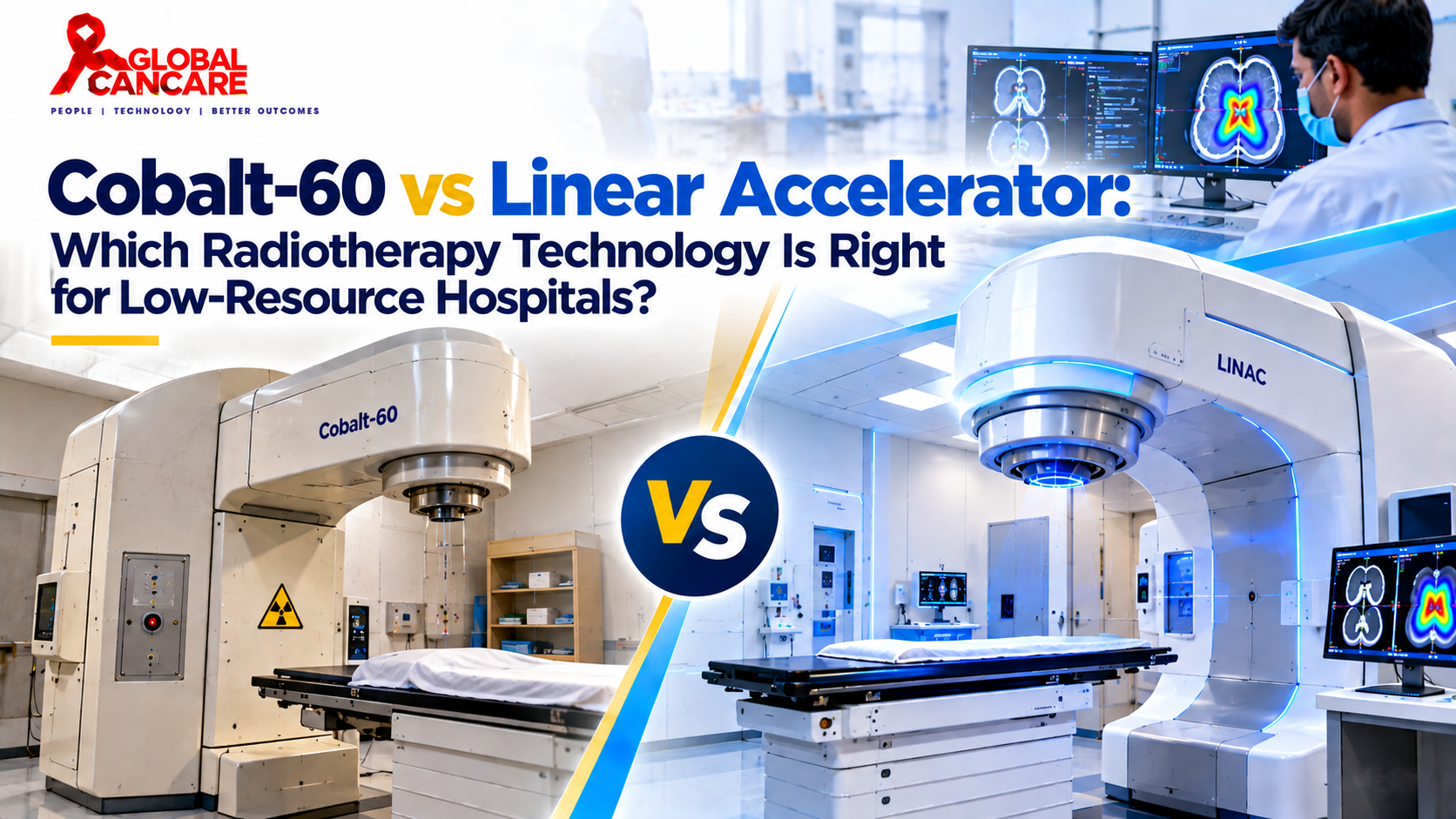
Cobalt-60 vs Linear Accelerator (LINAC): The Choice Depends on More Than Technology
Radiotherapy access remains a major challenge in many low- and middle-income countries. For hospitals planning or expanding cancer services, choosing the right treatment technology is therefore an important part of affordable radiotherapy technology planning.
The discussion around Cobalt 60 vs Linear Accelerator is often presented as a choice between conventional and modern technology. In practice, the decision is more complex. Both technologies can play valuable roles in cancer care, but they have different technical, operational, infrastructure, workforce, safety, and lifecycle requirements.
Key takeaway: Cobalt-60 can provide reliable external-beam radiotherapy with comparatively straightforward infrastructure, while a LINAC offers greater flexibility and supports advanced treatment techniques. The appropriate choice depends on patient needs, clinical workload, infrastructure, workforce, safety requirements, and long-term operating costs.
Understanding the Two Radiotherapy Technologies
Cobalt-60 Radiotherapy
Cobalt-60 machines use a sealed radioactive source to produce gamma radiation for external-beam radiotherapy. The source is housed within the treatment machine and is moved into position when treatment is delivered.
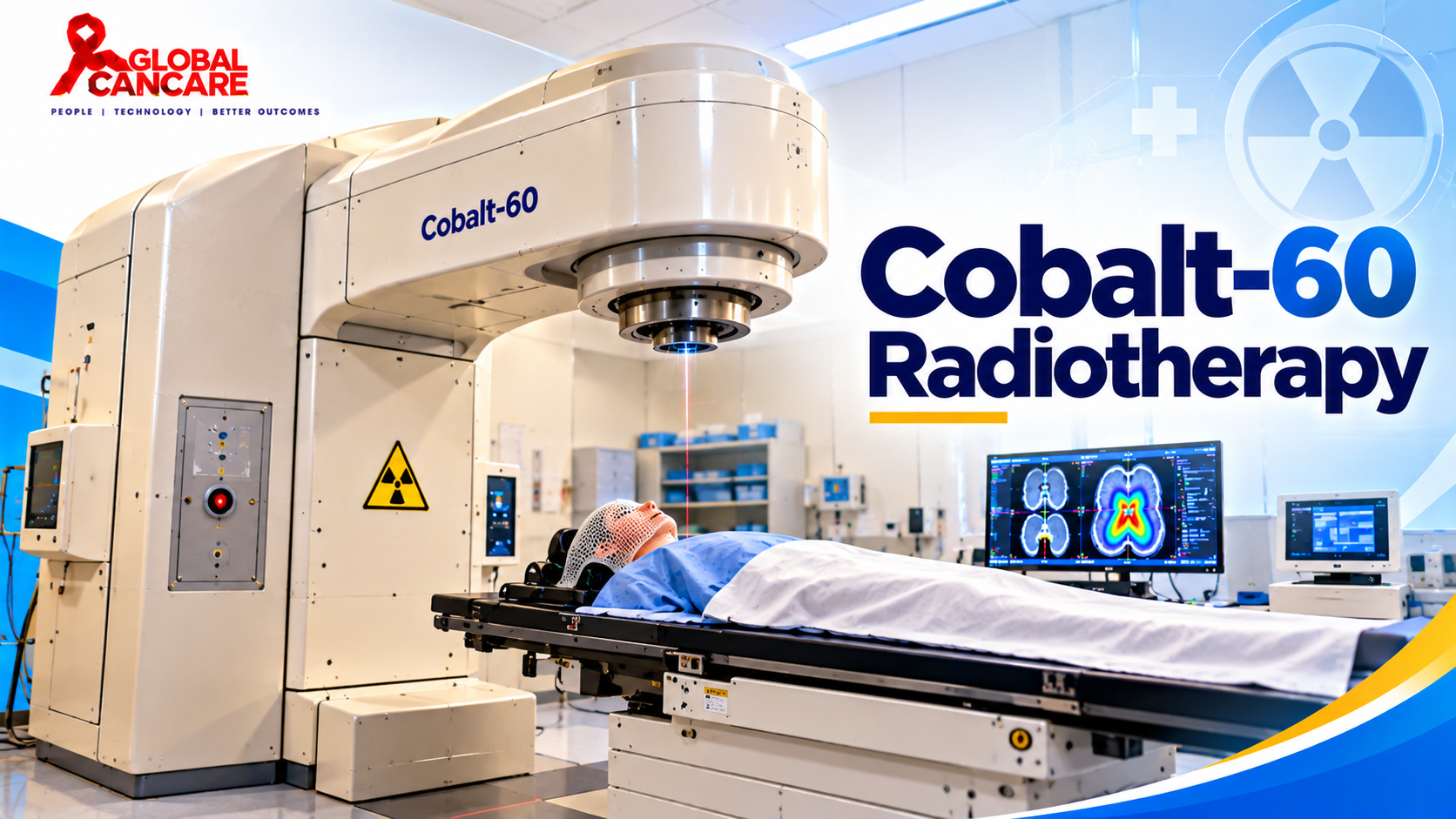
One advantage of cobalt technology is its relative simplicity. It does not require the same accelerator infrastructure as a LINAC, which can make it relevant in healthcare environments where resources, technical support, or infrastructure are limited.
However, cobalt-60 systems require strict radiation-safety controls and management of the radioactive source throughout its lifecycle. Source replacement, security, transport, regulatory requirements, and eventual disposal or return of the source must all be considered during planning.
Linear Accelerators (LINAC)
A LINAC, or linear accelerator, generates high-energy radiation electrically rather than relying on a continuously radioactive treatment source. LINACs are widely used in modern radiation oncology and can support different photon and, where applicable, electron treatment options.
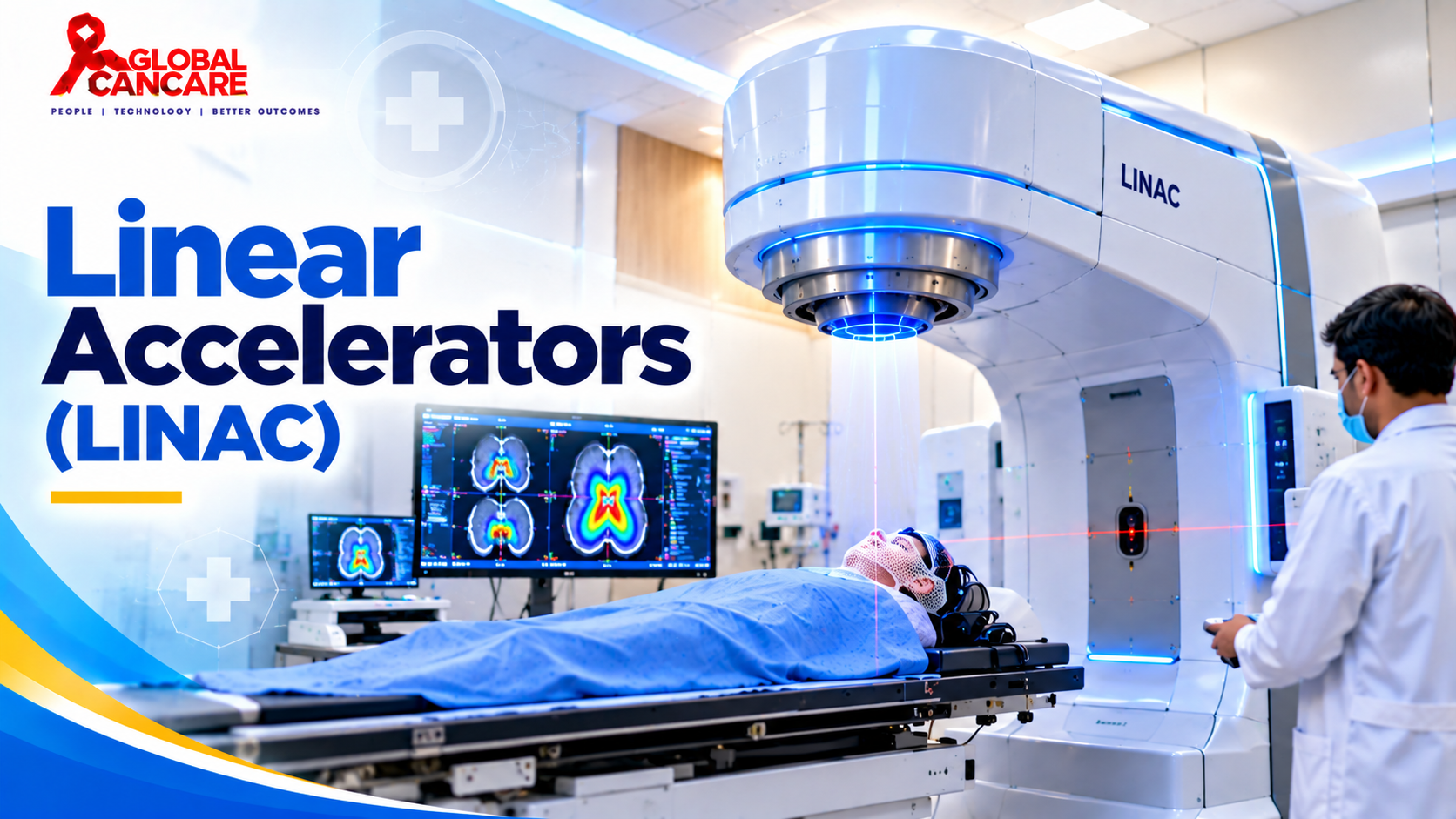
One of their major advantages is flexibility. Depending on the model and supporting systems, LINAC-based services can provide techniques such as three-dimensional conformal radiotherapy, IMRT, VMAT, IGRT, and stereotactic treatments.
However, this flexibility comes with greater infrastructure and technical requirements. Reliable electricity, climate control, specialist maintenance, medical physics support, treatment-planning systems, and trained personnel are important components of a sustainable LINAC service.
Cobalt 60 vs Linear Accelerator LINAC: At a Glance
For hospitals evaluating Cobalt 60 vs Linear Accelerator technology, the following comparison brings the major considerations together:
Factor | Cobalt-60 | Linear Accelerator LINAC |
|---|---|---|
Radiation source | Radioactive cobalt-60 source | Electrically generated radiation |
Treatment capability | Conventional external-beam radiotherapy | Broad range of modern external-beam techniques |
Infrastructure | Generally less complex | More demanding |
Electricity dependence | Lower equipment dependence than LINAC | Reliable power is essential |
Advanced techniques | More limited | Strong support for IMRT, VMAT, IGRT and other techniques, depending on configuration |
Radioactive source | Requires source management | No cobalt treatment source |
Maintenance | Requires source-related planning and mechanical servicing | Requires specialised technical servicing |
Workforce | Requires trained clinical and physics teams | Requires trained clinical, physics and technical teams |
Suitability | Selected low-resource or conventional services | Centres seeking broader modern radiotherapy capability |
Long-term planning | Source lifecycle is important | Technology upgrades and service contracts are important |
The table highlights an important point: neither technology can be judged in isolation from the healthcare environment in which it will operate.
The Real Question: Which Technology Is More Affordable?
The phrase affordable radiotherapy technology should not be judged only by the initial purchase price.
A hospital should consider the complete lifecycle cost. For cobalt-60, this includes radioactive-source management, replacement, security, regulatory compliance, servicing, and eventual source disposal or return.
For a LINAC, the calculation includes equipment acquisition, bunker requirements, power quality, cooling, maintenance, software, treatment-planning systems, and specialist technical support.
A lower initial investment does not automatically mean a lower long-term cost.
The better question is: Which technology can the hospital operate safely, reliably, and sustainably for the patients it is expected to serve?
This is particularly important for low-resource hospitals, where infrastructure, staffing, technical support, and maintenance capacity can directly affect whether a radiotherapy service remains operational over time.
Matching Technology to the Hospital's Clinical Needs
When Can Cobalt-60 Be a Practical Choice?
Cobalt technology can remain relevant where the primary objective is to establish or expand access to conventional external-beam radiotherapy and where infrastructure or technical resources may limit the feasibility of a more complex accelerator-based service.
It may be considered for centres with appropriate clinical requirements, trained staff, radiation-safety systems, regulatory support, and a sustainable plan for radioactive-source management.
However, technology selection should always follow a detailed clinical and technical assessment. A cobalt unit should not be selected simply because it appears cheaper.
When Is a LINAC the Better Option?
A LINAC may be preferable for hospitals planning a broader modern radiation oncology service. Its flexibility can support more sophisticated treatment planning and delivery, particularly when the centre has access to appropriate imaging, treatment-planning software, medical physics expertise, trained technologists, reliable infrastructure, and technical support.
For hospitals expecting to introduce advanced techniques over time, a LINAC may also provide a stronger platform for service expansion.
The key consideration is not whether advanced features exist, but whether the hospital has the clinical expertise and infrastructure to use them safely and effectively.
What Should Hospitals Consider Before Making the Decision?
The technology decision should begin with the hospital's actual cancer-care requirements rather than the equipment catalogue.
Patient demand is one of the first considerations. The expected number of patients and treatment workload can influence the type of service required.
Clinical scope is equally important. Hospitals should consider which cancers they expect to treat and whether conventional external-beam radiotherapy is sufficient or whether more advanced techniques are part of the planned service.
Infrastructure and utilities also matter. Reliable electricity, cooling, shielding, treatment-planning systems, and technical support can be critical to sustainable operation, particularly for LINAC-based services.
Workforce availability should be assessed at the same time. Radiation oncologists, medical physicists, technologists, engineers, and other trained professionals are essential to safe radiotherapy delivery.
Finally, hospitals should consider regulatory requirements, maintenance, lifecycle costs, and future expansion. A technology that meets today's needs may need to support the centre's development over many years.
How Global CanCare Supports Radiotherapy Infrastructure
Global CanCare Pvt. Ltd. approaches radiotherapy as an infrastructure ecosystem rather than an equipment-only decision. Its Global Radiotherapy Solutions vertical addresses the broader requirements involved in developing radiotherapy services, including technology, infrastructure, implementation, and support.
This is particularly important for low-resource hospitals, where the most appropriate solution must balance clinical requirements with available infrastructure, workforce, budget, maintenance capability, and long-term sustainability.
Global CanCare works with healthcare organisations to support radiotherapy infrastructure and technology planning as part of a broader cancer-care strategy.
Explore Global CanCare's Global Radiotherapy Solutions to learn more about its radiotherapy ecosystem.
For information about Global CanCare's wider healthcare capabilities, visit the Global CanCare website.
Frequently Asked Questions
Is cobalt-60 better than a LINAC?
Neither is universally better. Cobalt-60 can be appropriate for selected conventional radiotherapy services, while a LINAC provides broader treatment flexibility. The choice depends on clinical, infrastructure, workforce, safety, and financial considerations.
What is the main difference between Cobalt-60 and LINAC?
Cobalt-60 uses radiation from a radioactive cobalt source, while a LINAC generates therapeutic radiation electrically. This difference affects infrastructure, maintenance, safety, treatment capabilities, and lifecycle planning.
Is cobalt-60 an affordable radiotherapy technology?
It can be a practical option in selected resource-limited settings, but affordability must include the complete lifecycle of the radioactive source, regulatory requirements, maintenance, infrastructure, and clinical operation.
Why are LINACs widely used in modern radiotherapy?
LINACs can support a broad range of external-beam techniques and can be configured for advanced treatments. Their flexibility makes them valuable for centres with suitable infrastructure and specialist expertise.
Can low-resource hospitals use LINACs?
Yes, provided the hospital can support the required infrastructure, power reliability, maintenance, medical physics, trained workforce, treatment planning, radiation safety, and quality assurance.
How does Global CanCare support radiotherapy projects?
Global CanCare supports the wider radiotherapy ecosystem through technology and infrastructure solutions, project implementation, and related healthcare capabilities. Its Global Radiotherapy Solutions vertical provides a dedicated focus on radiotherapy infrastructure.
Authoritative Sources
Conclusion: Cobalt 60 vs Linear Accelerator
The debate over Cobalt 60 vs Linear Accelerator should not be reduced to old technology versus new technology. Cobalt-60 can provide a practical radiotherapy option in selected settings, while a LINAC offers greater flexibility for hospitals seeking a broader range of modern treatment techniques.
For low-resource hospitals, the best affordable radiotherapy technology is the one that can be safely operated, properly maintained, staffed with trained professionals, supported by appropriate infrastructure, and sustained over its full lifecycle.
Global CanCare Pvt. Ltd. takes this ecosystem approach through its radiotherapy and healthcare infrastructure capabilities, helping hospitals consider technology alongside bunkers, shielding, medical physics, workforce, commissioning, maintenance, and long-term service requirements.
Ultimately, the right radiotherapy technology is not simply the machine that costs less or offers more features.
It is the technology that best matches the hospital's patients, capabilities, infrastructure, and long-term cancer-care goals.
Planning a Cancer Care project?
Our specialists can scope equipment, shielding, licensing and staffing for your facility.
Talk to our team