
Digital X-ray & Mammograph
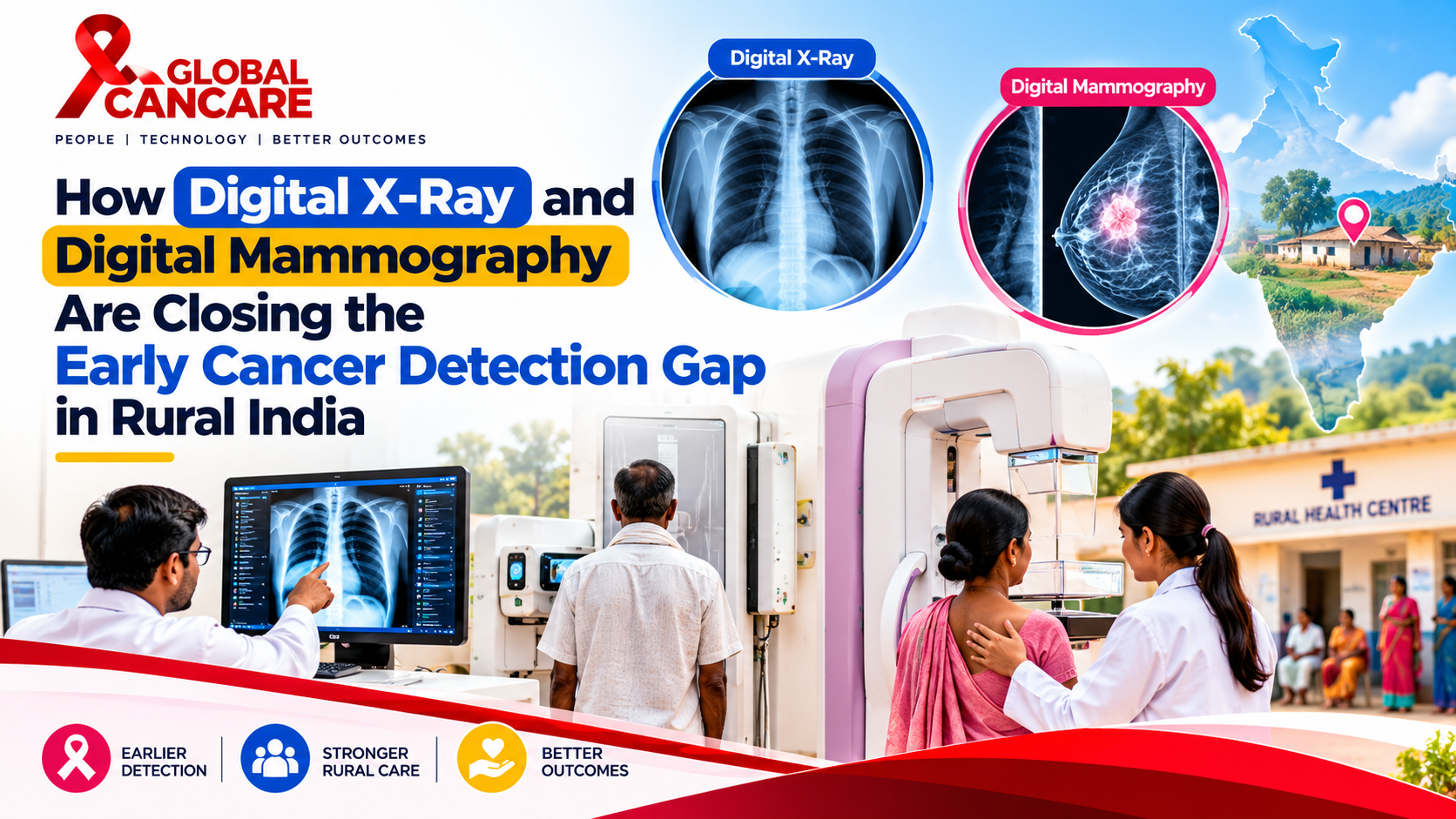
How Digital X-Ray and Digital Mammography Are Closing the Early Cancer Detection Gap in Rural India
Discover how digital X-ray and digital mammography can improve early cancer detection in rural India through better imaging access, referral networks and healthcare infrastructure.
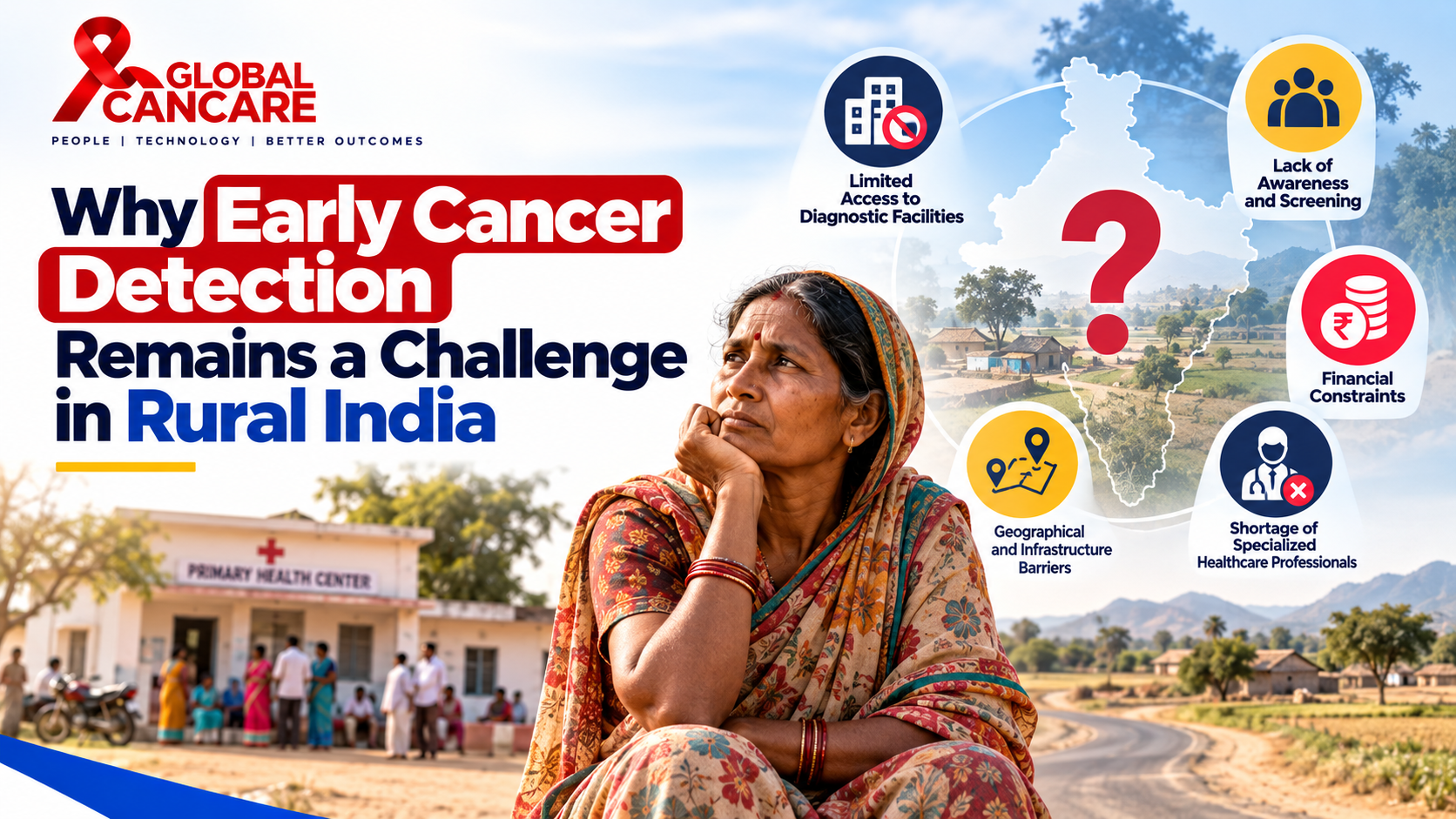
Why Early Cancer Detection Remains a Challenge in Rural India
Early cancer detection India efforts face a major challenge: many patients living in rural and semi-urban areas must travel considerable distances to access specialised imaging, diagnostic services and cancer care. Limited facilities, affordability concerns, workforce shortages and delays in referrals can make timely diagnosis difficult.
Digital imaging can help address parts of this gap. Digital X-ray supports the assessment of several chest and bone conditions, while digital mammography plays an important role in breast cancer screening and diagnostic evaluation. When these technologies are connected to trained professionals, reliable reporting and effective referral pathways, they can help patients access appropriate care sooner.
However, imaging equipment alone cannot close the detection gap. Rural healthcare needs a coordinated system that connects local facilities with specialist centres and follow-up services.
Digital X-Ray and Digital Mammography: Different Roles in Early Detection
Digital X-ray uses electronic detectors to produce images that clinicians can review and store digitally. It can support the evaluation of chest symptoms and other conditions, including findings that may require further investigation. A chest X-ray, however, is not a recommended standalone screening test for lung cancer.
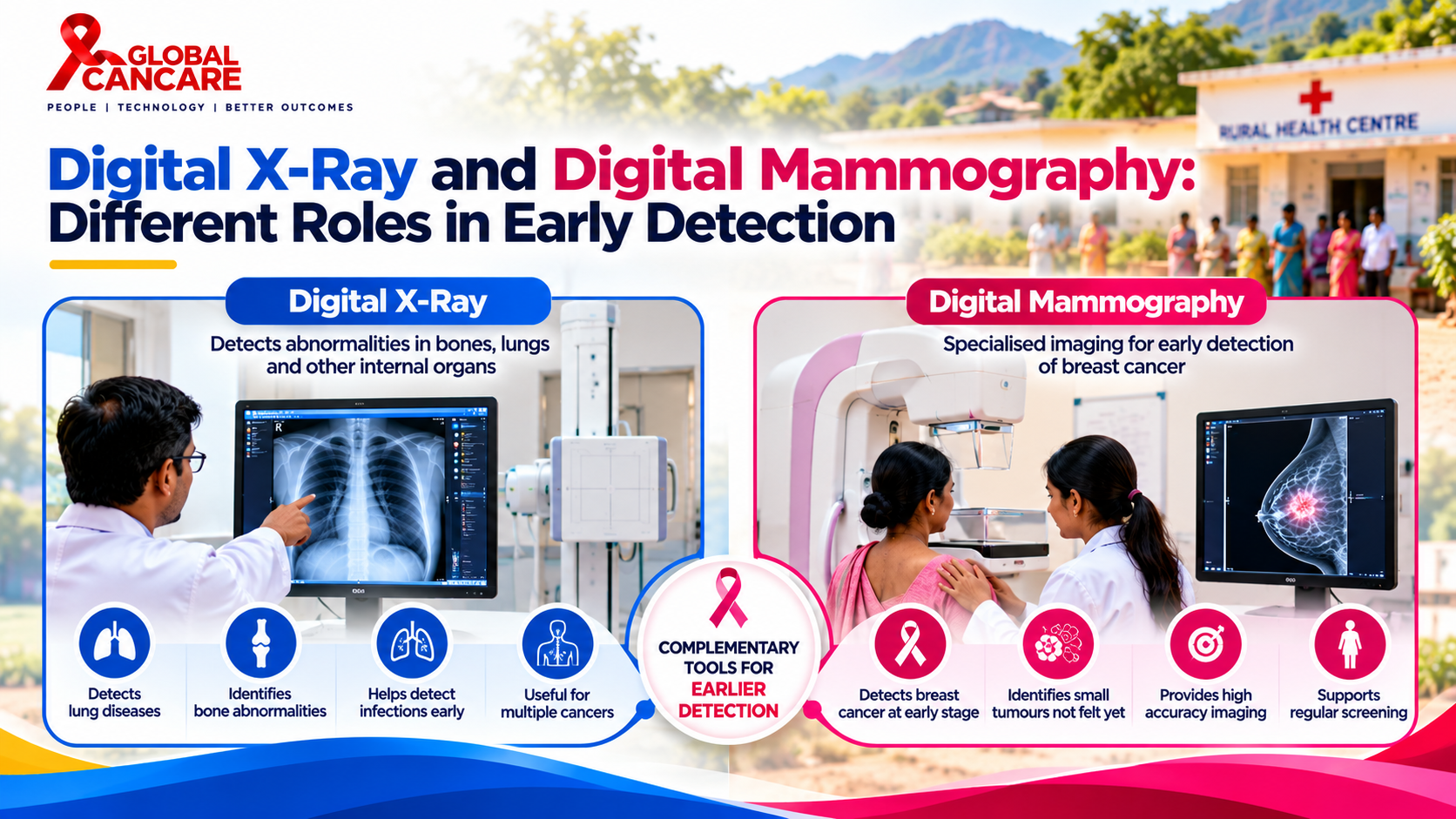
Digital mammography uses low-dose X-rays to create detailed images of breast tissue. It is an established method for breast cancer screening in eligible populations and can also help investigate symptoms such as a breast lump or nipple changes.
An early cancer detection test must be selected according to the cancer being assessed, the patient's age and risk factors, clinical guidance, and the purpose of testing. Neither digital X-ray nor digital mammography detects every cancer, and an abnormal image may require additional assessment, such as ultrasound, biopsy or specialist review.
How Digital Imaging Can Improve Rural Healthcare
The value of digital mammography rural healthcare extends beyond the imaging machine itself. Digital workflows can make it easier to store, retrieve and share images with authorised specialists, helping facilities coordinate reporting and referrals.
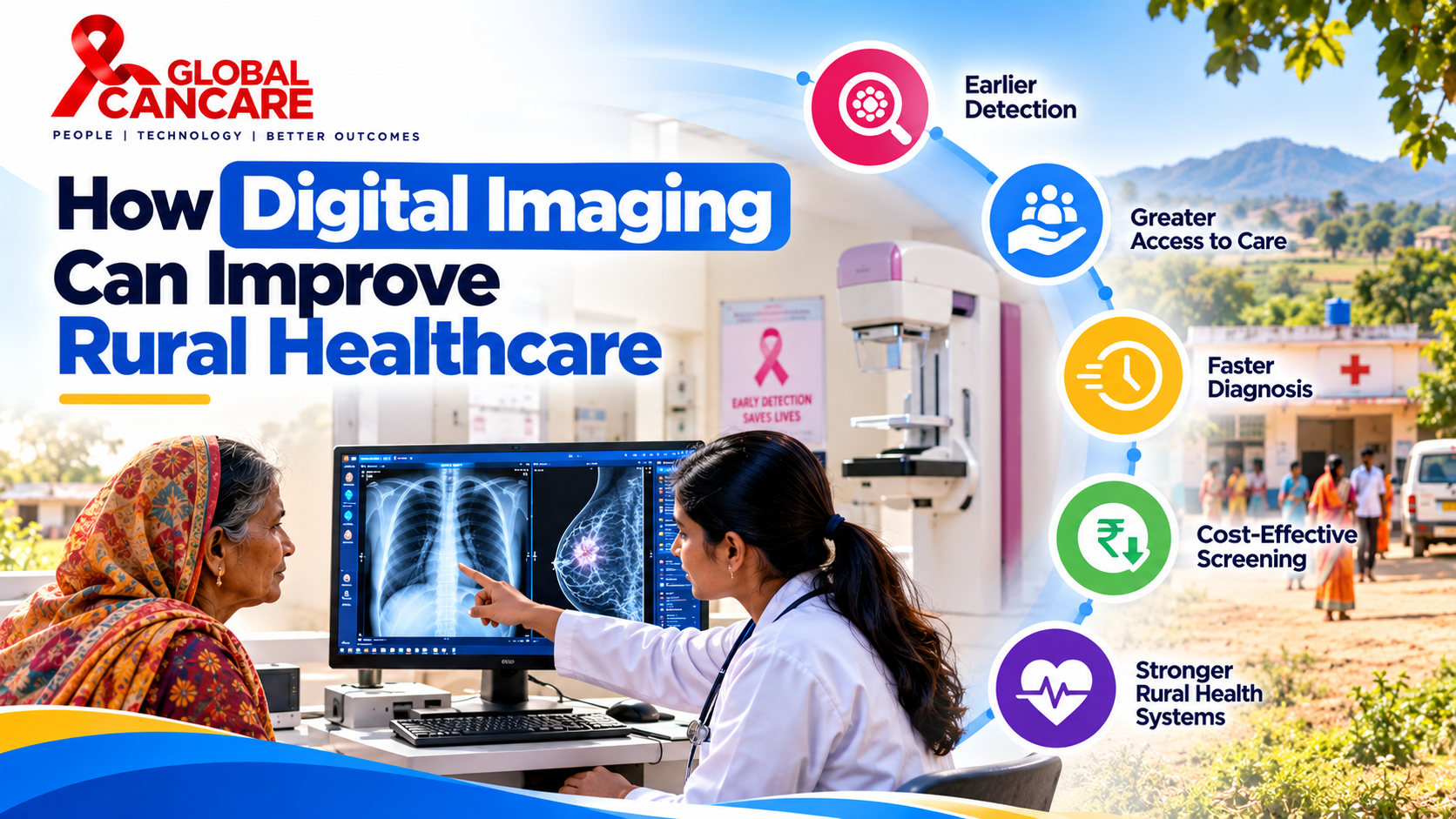
For rural communities in Madhya Pradesh, Uttar Pradesh, Rajasthan, Bihar and other states, access models may include district hospitals, medical colleges, regional diagnostic hubs and outreach programmes linked to established referral centres. The most appropriate model depends on local population needs, transport links, workforce availability and the capacity to complete diagnostic follow-up.
What Each Technology Contributes
Healthcare need | Digital X-ray | Digital mammography | What is needed next |
|---|---|---|---|
Initial imaging access | Supports chest and other routine X-ray examinations | Provides dedicated breast imaging | Trained staff and suitable equipment |
Cancer-related assessment | May identify findings that require further investigation; not a standalone lung cancer screening test | Supports breast cancer screening and diagnostic assessment | Clinical interpretation and risk-based assessment |
Remote specialist support | Images may be shared digitally where secure systems are available | Images may be reviewed by qualified breast-imaging specialists | Reliable connectivity and reporting workflows |
Follow-up | Additional imaging or specialist referral when indicated | Further assessment, ultrasound or biopsy when indicated | Timely referral and patient navigation |
Rural service planning | Can support local diagnostic services | Can extend access to dedicated breast imaging | Quality assurance, maintenance and sustainable funding |
How Global CanCare Supports Medical Imaging Infrastructure
Global CanCare Pvt. Ltd. works across healthcare technology and infrastructure, including its medical imaging and AI imaging areas. Its broader ecosystem approach recognises that diagnostic equipment needs to be supported by installation, commissioning, technical service, clinical workflows and sustainable healthcare partnerships.
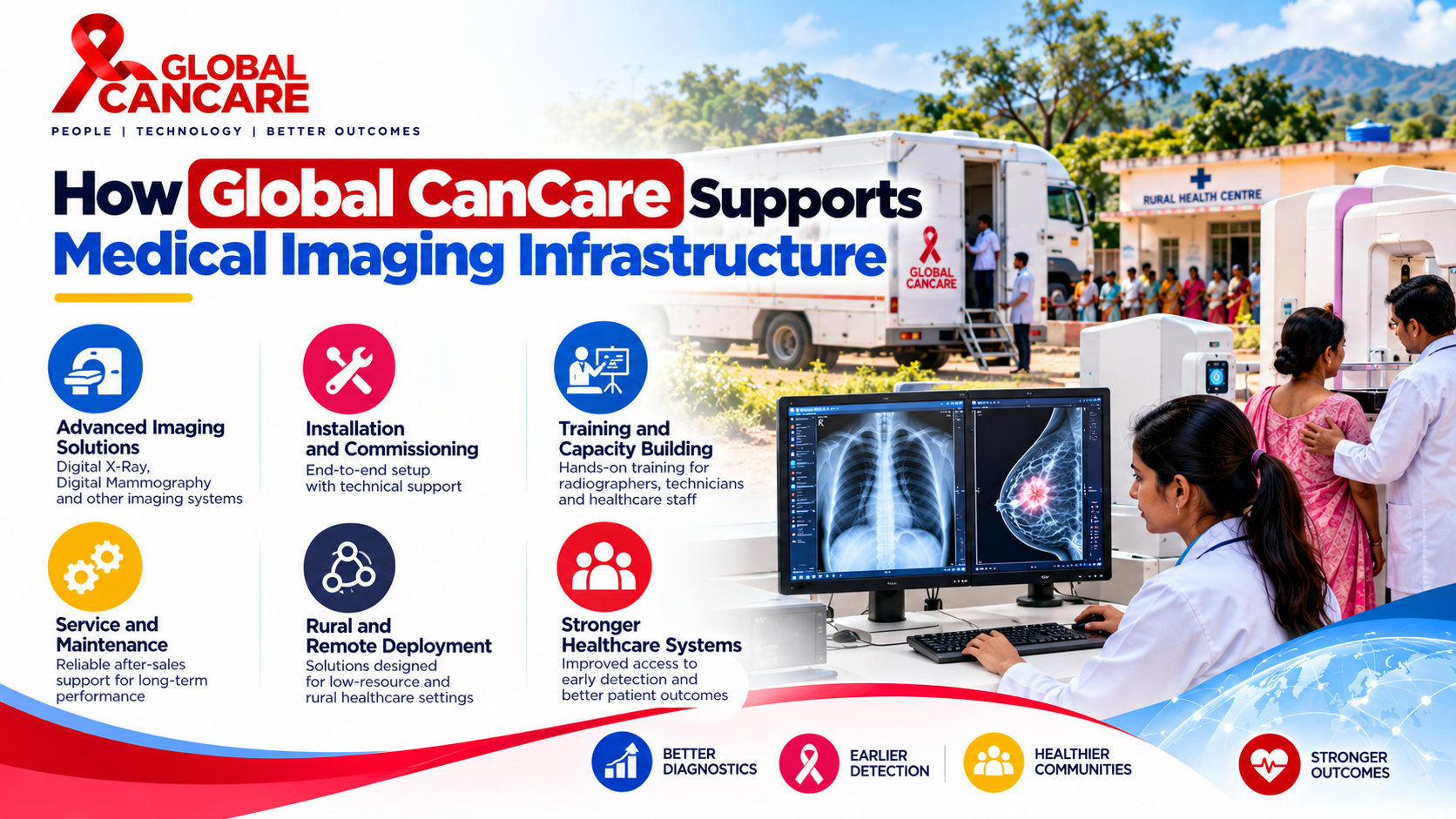
For rural and regional healthcare projects, planning digital imaging services means considering the complete operating environment: the right modality, room and electrical requirements, trained operators, image quality, reporting access, maintenance and referral arrangements.
Global CanCare's medical imaging focus is relevant to healthcare providers evaluating how diagnostic capacity can be developed and connected with broader cancer-care infrastructure. Specific project availability, equipment configurations and deployment locations should be confirmed directly with the company.
Explore the Global CanCare website to learn more about its healthcare technology and infrastructure capabilities.
Frequently Asked Questions
1. Can digital X-ray detect cancer early?
Digital X-ray can reveal abnormalities that require further investigation, but it is not a universal cancer screening test. The appropriate investigation depends on the suspected cancer and clinical guidelines.
2. Is digital mammography useful in rural India?
Yes. Where supported by trained professionals, quality assurance and follow-up services, digital mammography can improve access to breast imaging for eligible patients in rural and regional communities.
3. What is the best early cancer detection test?
There is no single test for every cancer. Recommended screening depends on the cancer type, age, risk factors and current clinical guidance.
4. Can digital imaging reduce diagnostic delays?
It can help with image storage, transfer and specialist reporting. Timely diagnosis still depends on staffing, referral pathways, confirmatory testing and patient follow-up.
Conclusion
Closing the early detection gap in rural India requires more than placing imaging equipment in underserved locations. Digital X-ray and digital mammography can contribute to stronger diagnostic services when they are integrated with trained professionals, reliable reporting, confirmatory testing and effective referrals.
For digital mammography rural healthcare initiatives, the priority is to connect access with a complete pathway from screening to diagnosis and treatment. Global CanCare's wider medical imaging and healthcare infrastructure focus reflects the importance of building these capabilities as part of a coordinated ecosystem.
Better access to imaging matters most when it leads to timely, appropriate care for patients.
Authoritative Sources
Planning a Cancer Care project?
Our specialists can scope equipment, shielding, licensing and staffing for your facility.
Talk to our team