Research
How Precision Oncology Is Changing Cancer Treatment | The Future of Personalized Cancer Care
Discover how Precision Oncology is transforming cancer treatment through biomarkers, genomic profiling, companion diagnostics, and personalised medicine. Learn how Global CanCare supports the future of precision cancer care.
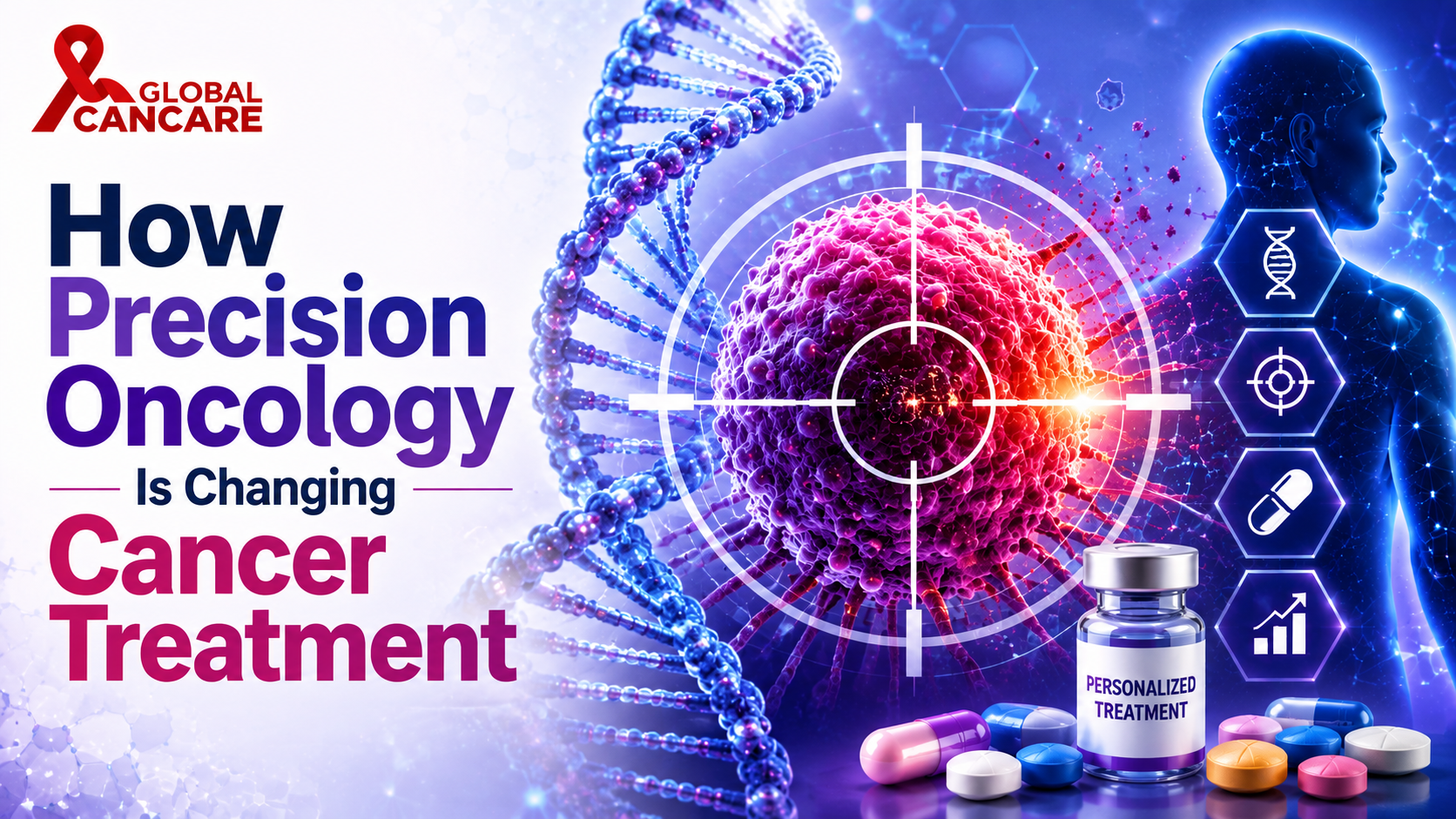
Cancer treatment has changed dramatically over the last decade. In the past, many patients with the same type of cancer received similar treatments. Today, doctors are moving towards Precision Oncology, an approach that tailors treatment to each patient's unique genetic makeup and the biology of their tumour.
Following discussions at leading global oncology conferences such as the American Society of Clinical Oncology (ASCO) Annual Meeting and the European Society for Medical Oncology (ESMO) Congress, Precision Oncology has become one of the most important topics in modern cancer care. By combining advanced diagnostics, molecular science, and targeted therapies, this approach is helping doctors make better treatment decisions while improving patient outcomes.
As healthcare continues to embrace personalised medicine, organisations that can support advanced cancer care infrastructure are becoming increasingly important. Through expertise in radiotherapy, nuclear medicine, medical imaging, healthcare infrastructure, and clinical support, Global CanCare Pvt. Ltd. contributes to the development of future-ready oncology centres equipped for the next generation of cancer care.
What Is Precision Oncology?
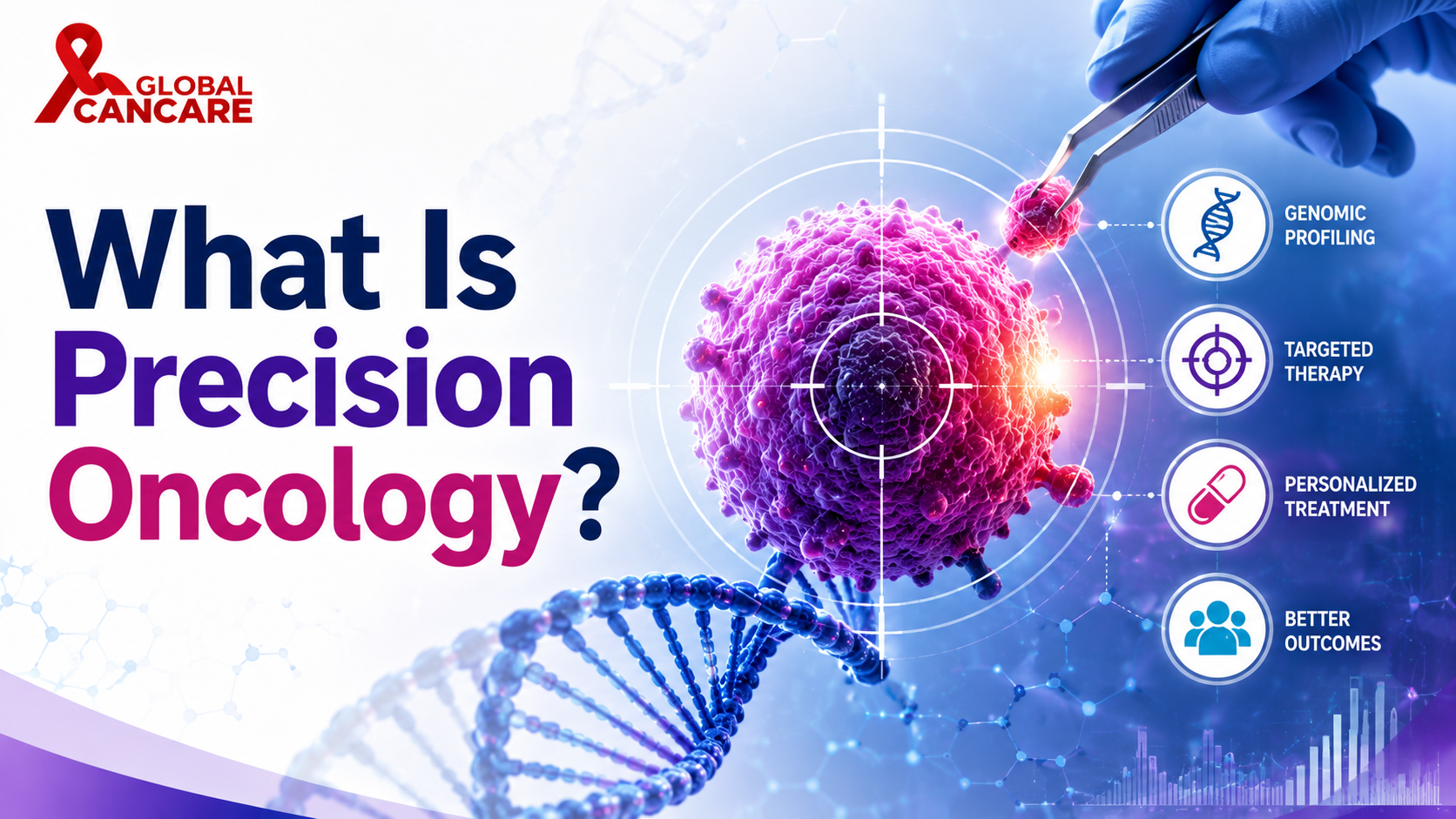
Precision Oncology is a personalised approach to cancer treatment. Instead of treating every patient in the same way, doctors study the tumour's genetic and molecular characteristics to identify the most effective treatment.
This approach considers:
Genetic mutations inside the tumour
Individual biomarkers
Patient-specific risk factors
Response to targeted therapies
The goal is simple: deliver the right treatment to the right patient at the right time.
The Four Pillars of Precision Oncology
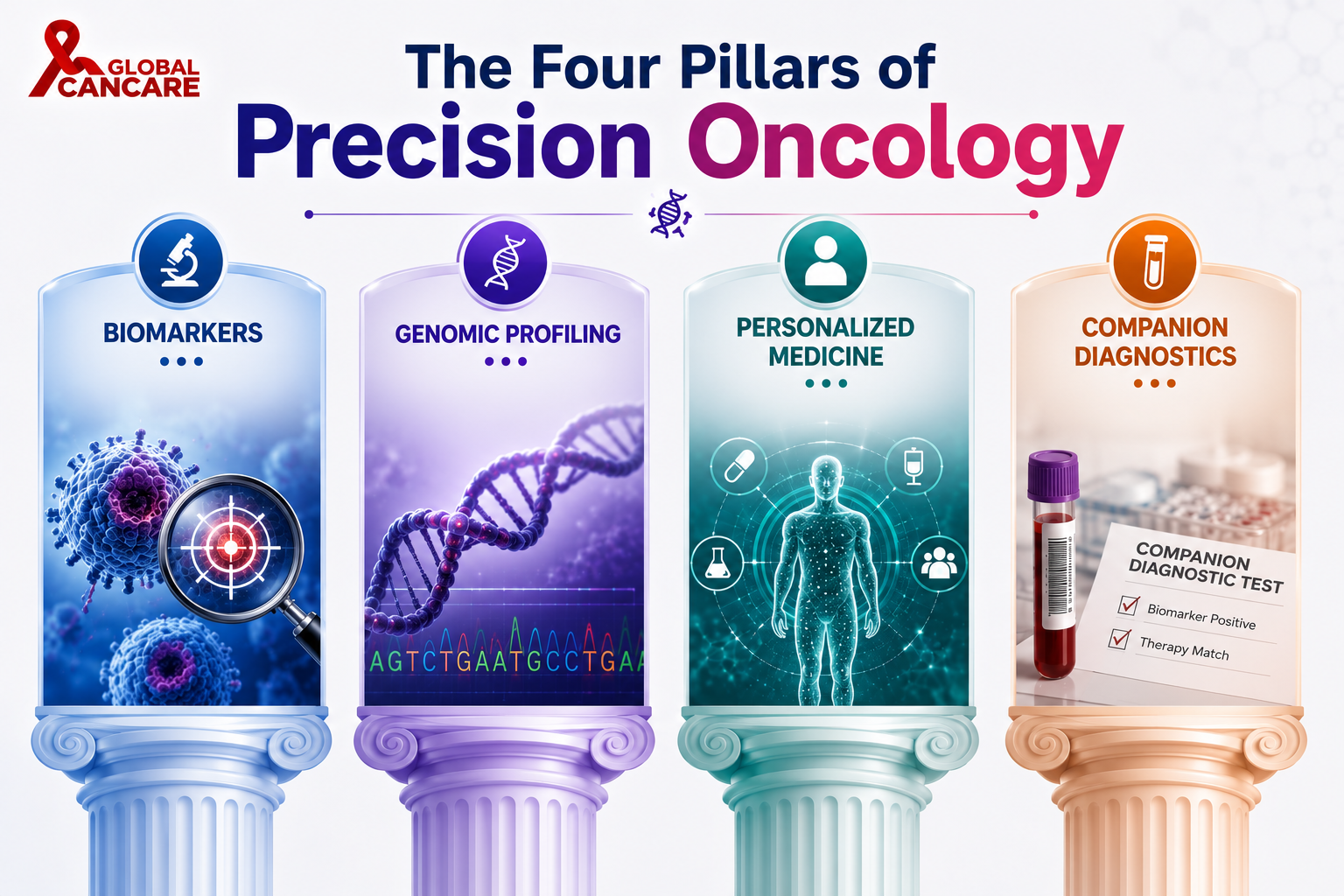
Modern Precision Oncology depends on four important scientific advances that are transforming cancer diagnosis and treatment.
Technology | What It Does | Benefit to Patients |
|---|---|---|
Identify biological signals linked to cancer. | Helps predict which treatments may work best. | |
Genomic Profiling | Analyses DNA changes within tumour cells. | Enables personalised treatment decisions. |
Personalised Medicine | Tailors therapies to each patient's disease profile. | Improves treatment effectiveness while reducing unnecessary side effects. |
Companion Diagnostics | Diagnostic tests used alongside specific medicines. | Helps doctors select targeted therapies with greater confidence. |
Together, these innovations are making Precision Oncology more accurate, efficient, and patient-centred.
Why Precision Oncology Is Transforming Cancer Care
Traditional cancer treatments often relied on tumour location alone. However, two patients with the same cancer type may have completely different genetic mutations, meaning they can respond differently to treatment.
With Precision Oncology, doctors can:
Detect cancer at a molecular level.
Select therapies based on tumour biology.
Reduce trial-and-error treatment approaches.
Improve survival rates for many patients.
Monitor treatment response more effectively.
This shift represents one of the biggest advances in oncology over the past two decades.
Technology Driving Precision Oncology
The success of Precision Oncology is supported by several advanced healthcare technologies working together.
Technology | Role in Precision Oncology |
Medical Imaging | Detects tumours and monitors treatment response. |
Molecular Diagnostics | Identifies genetic mutations and biomarkers. |
AI-Assisted Imaging | Supports faster and more accurate clinical decisions. |
Nuclear Medicine | Enables molecular imaging and targeted radionuclide therapies. |
Radiotherapy | Delivers precise treatment guided by advanced imaging. |
Clinical Research | Develops new targeted therapies and treatment strategies. |
Together, these technologies are creating a more personalised approach to cancer care.
How Global CanCare Supports the Future of Precision Oncology
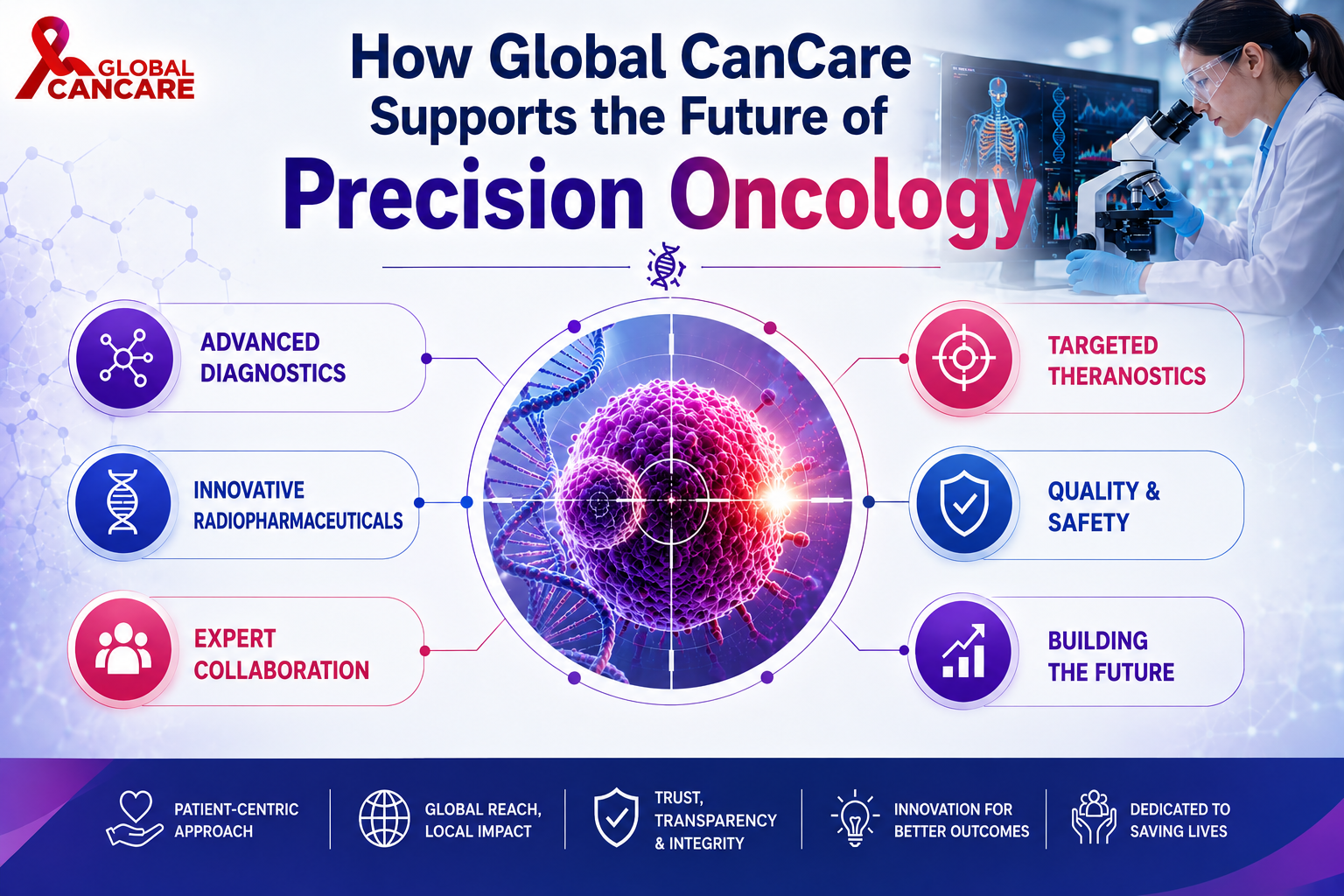
As cancer treatment becomes more personalised, healthcare institutions require comprehensive solutions that extend beyond equipment procurement.
Global CanCare Pvt. Ltd. supports hospitals and cancer centres through integrated capabilities that include:
Advanced radiotherapy solutions
Medical imaging technologies
Nuclear medicine infrastructure
Cyclotron and radiopharmaceutical planning
Medical physics expertise
Clinical research infrastructure
Turnkey healthcare project management
Installation, commissioning, and regulatory support
Rather than supplying standalone technologies, Global CanCare works with healthcare providers to develop complete oncology ecosystems capable of supporting modern Precision Oncology programmes.
The Future of Precision Oncology
Research in Precision Oncology continues to accelerate. Scientists are discovering new biomarkers, improving genomic sequencing technologies, and developing innovative targeted therapies for cancers that previously had limited treatment options.
Artificial intelligence, digital pathology, liquid biopsy, and multi-omics research are expected to further improve personalised cancer treatment over the coming years. These advances will help clinicians diagnose diseases earlier, predict treatment response more accurately, and develop therapies that are increasingly tailored to individual patients.
As these innovations move from research into clinical practice, hospitals with integrated oncology infrastructure will be better prepared to deliver the next generation of cancer care.
Conclusion
Precision Oncology is changing the future of cancer treatment by combining biomarkers, genomic profiling, companion diagnostics, and personalised medicine into one patient-focused approach. Instead of treating cancer based only on its location, doctors can now understand its unique biology and choose therapies that offer greater precision and improved outcomes.
As healthcare systems continue to embrace this transformation, the need for advanced infrastructure, integrated technologies, and experienced healthcare partners will continue to grow. By supporting hospitals with expertise in radiotherapy, nuclear medicine, medical imaging, healthcare infrastructure, and clinical development, Global CanCare Pvt. Ltd. is helping create an ecosystem that supports the future of Precision Oncology and modern cancer care.
Global CanCare is building an ecosystem rather than simply supplying equipment.
Frequently Asked Questions (FAQs)
1. What is Precision Oncology?
Precision Oncology is an advanced approach to cancer treatment that uses a patient's genetic, molecular, and biological information to create a personalised treatment plan. Instead of using the same therapy for every patient, Precision Oncology helps doctors select treatments that are most likely to be effective for an individual's specific cancer.
2. How is Precision Oncology different from traditional cancer treatment?
Traditional cancer treatment often focuses on the type and location of the tumour. Precision Oncology goes a step further by analysing biomarkers, genetic mutations, and tumour biology. This allows doctors to provide targeted therapies that improve treatment accuracy while reducing unnecessary side effects.
3. What are biomarkers in Precision Oncology?
Biomarkers are measurable biological indicators found in blood, tissue, or other body fluids. In Precision Oncology, biomarkers help doctors identify the characteristics of a tumour, predict how a patient may respond to treatment, and choose the most appropriate targeted therapy.
4. Why is genomic profiling important in cancer treatment?
Genomic profiling studies the DNA and genetic changes within cancer cells. It helps identify mutations that drive tumour growth and allows healthcare professionals to select personalised treatment options. Genomic profiling is one of the key foundations of Precision Oncology.
5. What are companion diagnostics?
Companion diagnostics are specialised laboratory tests used alongside specific cancer medicines. They determine whether a patient's tumour has the molecular characteristics required for a targeted therapy to be effective, making them an essential part of modern Precision Oncology.
6. Which cancers can benefit from Precision Oncology?
Precision Oncology is commonly used in the treatment of breast cancer, lung cancer, colorectal cancer, prostate cancer, melanoma, ovarian cancer, and several rare cancers. As research advances, its applications continue to expand to many other cancer types.
7. How does Precision Oncology improve patient outcomes?
By matching the right treatment to the right patient, Precision Oncology can improve treatment effectiveness, reduce unnecessary side effects, minimise trial-and-error therapies, and support better long-term outcomes for many cancer patients.
8. What role does Global CanCare Pvt. Ltd. play in Precision Oncology?
Global CanCare Pvt. Ltd. supports the growth of Precision Oncology by helping hospitals and healthcare institutions develop advanced cancer care infrastructure. Its expertise includes radiotherapy, nuclear medicine, medical imaging, cyclotron projects, medical physics, clinical research infrastructure, and turnkey healthcare solutions that enable modern, patient-centred oncology services.
Planning a Cancer Care project?
Our specialists can scope equipment, shielding, licensing and staffing for your facility.
Talk to our team